Free
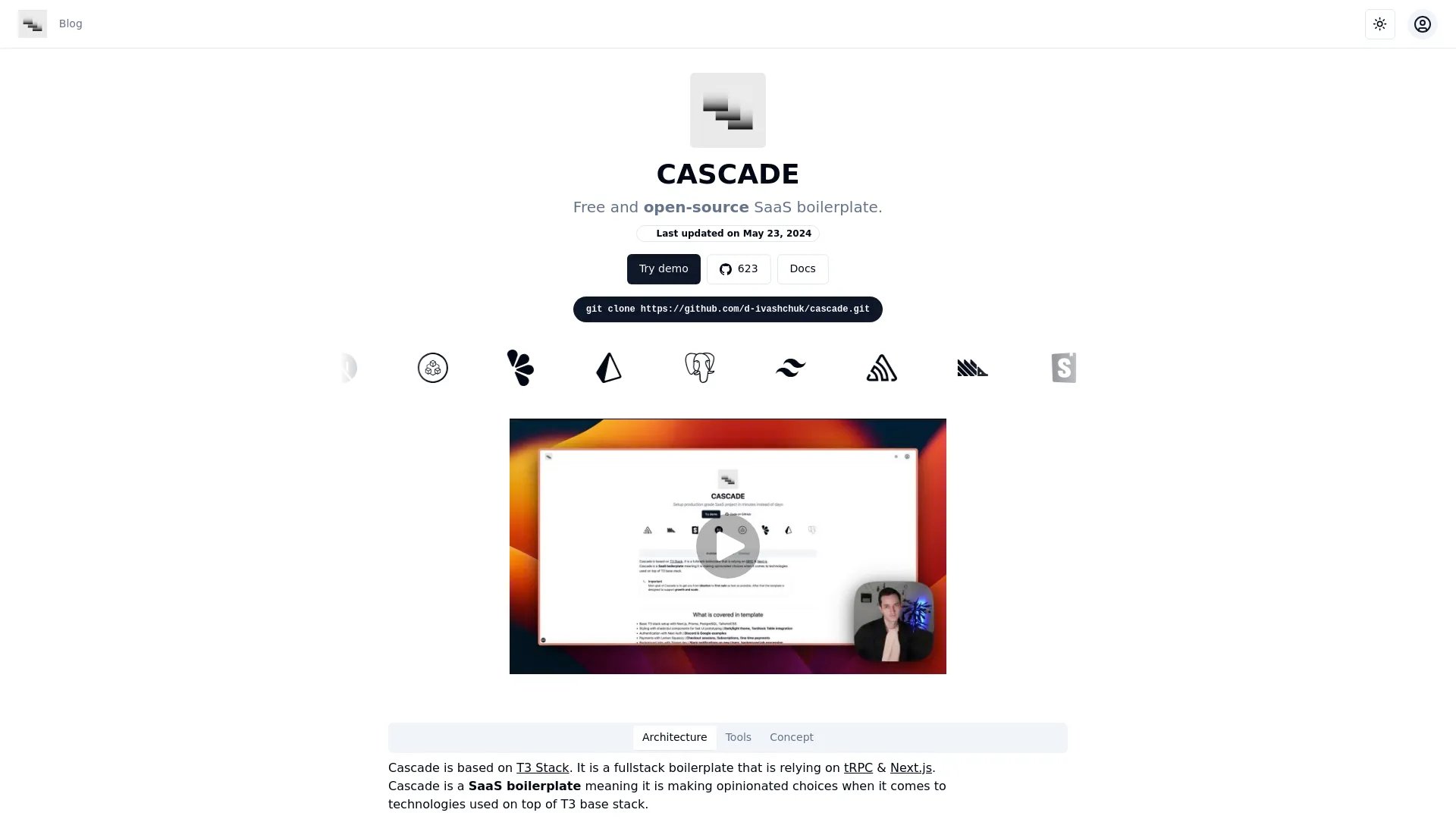
Cascade
Free and open-source SaaS boilerplate
JavaScript
TypeScript
shadcn/ui
Tailwind CSS
PostgreSQL
Lemon Squeezy
Next.js
tRPC
Features:
Analytics
Auth
Background Jobs
Blog
CI/CD
Dark Mode
Emails
+7 more
Explore 65 boilerplates in this category. Find the perfect starting point for your next project.
1 boilerplate
1 boilerplate
1 boilerplate
1 boilerplate
4 boilerplates
3 boilerplates
1 boilerplate
12 boilerplates
1 boilerplate
1 boilerplate
9 boilerplates
1 boilerplate
10 boilerplates
1 boilerplate
1 boilerplate
28 boilerplates
11 boilerplates
2 boilerplates
9 boilerplates
22 boilerplates
1 boilerplate
Free and open-source SaaS boilerplate
Features:
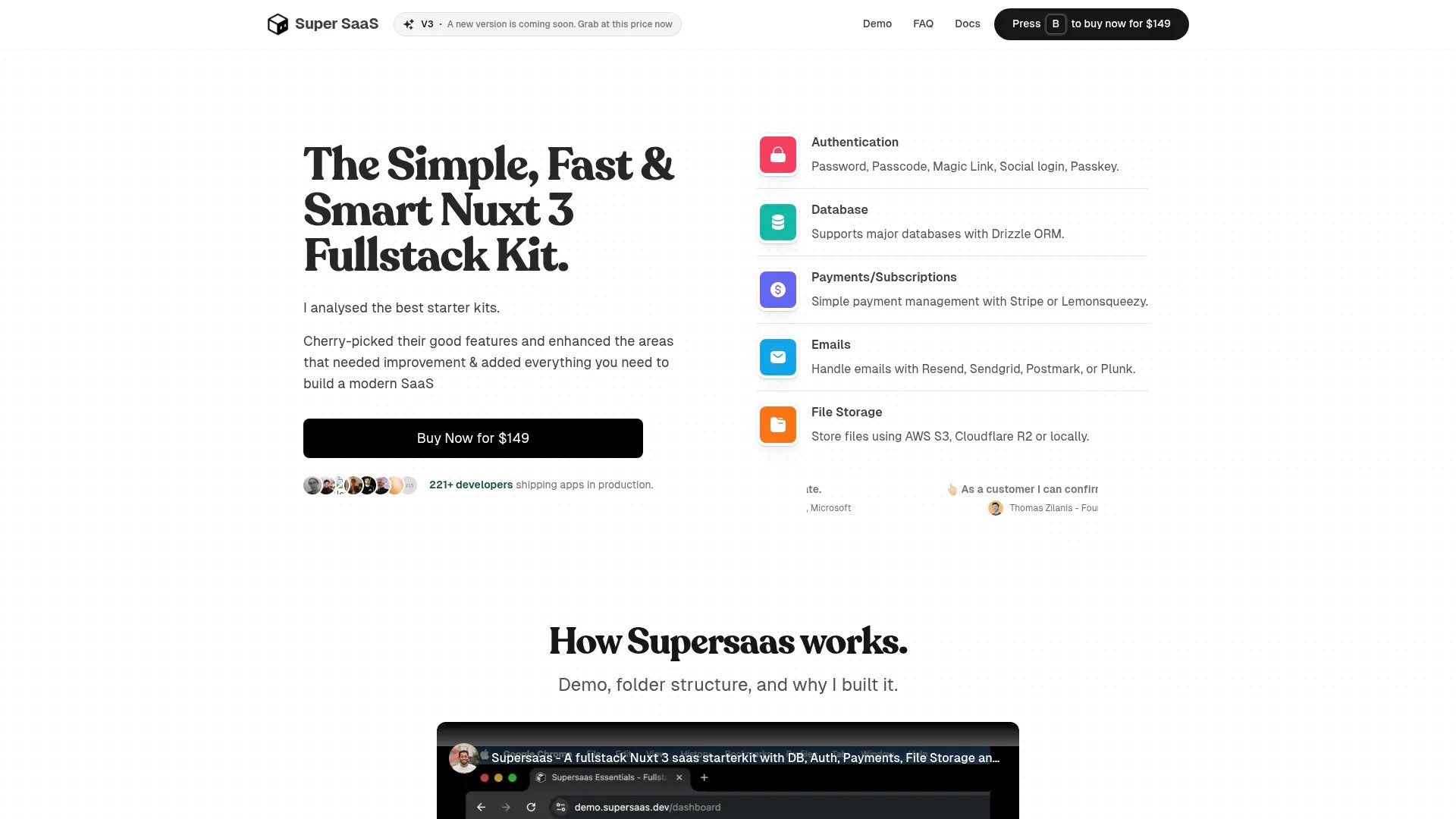
The Simple, Fast & Smart Nuxt 3 Fullstack Kit
Features:
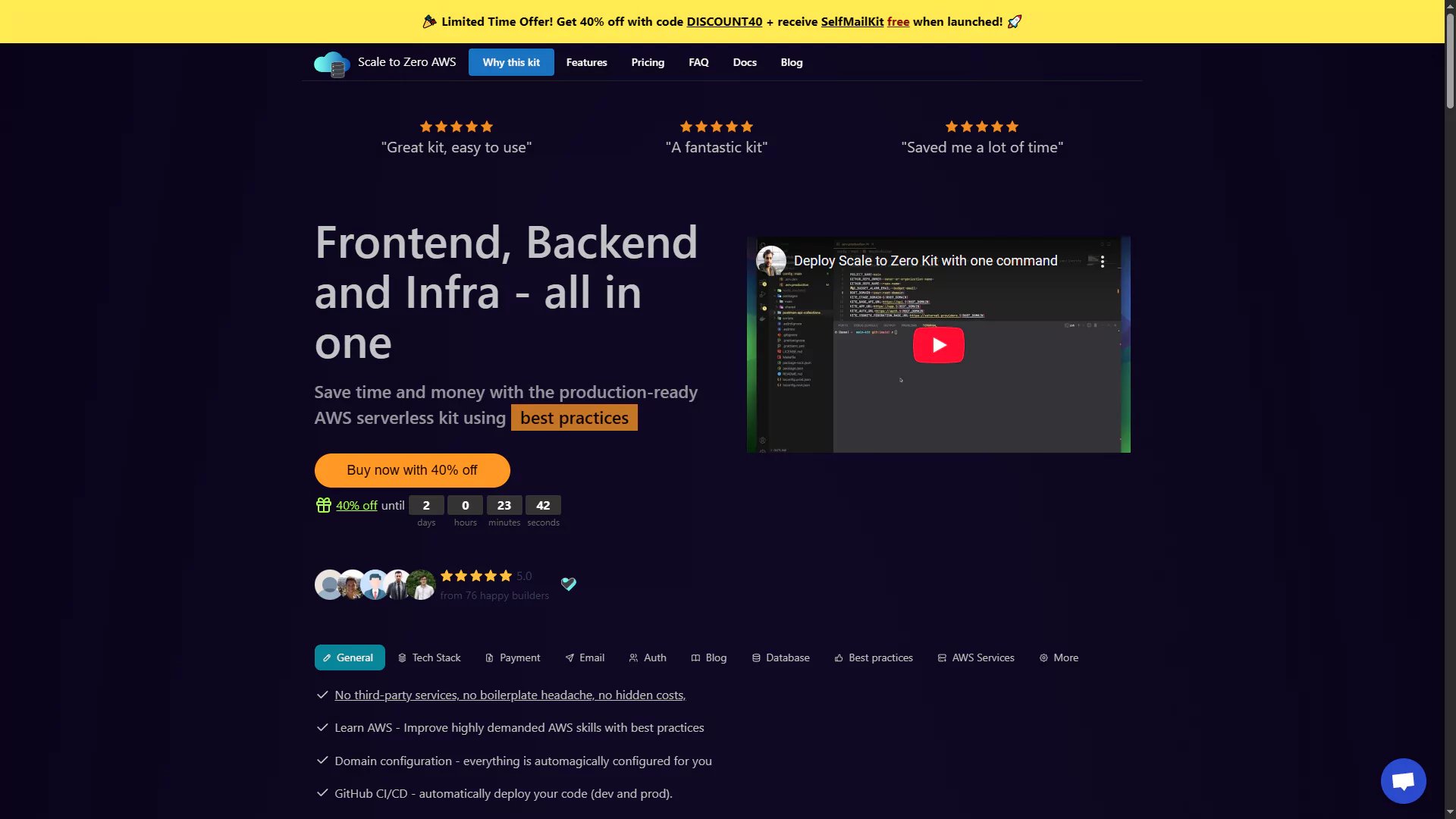
Production-ready AWS serverless kit using best practices
Features:
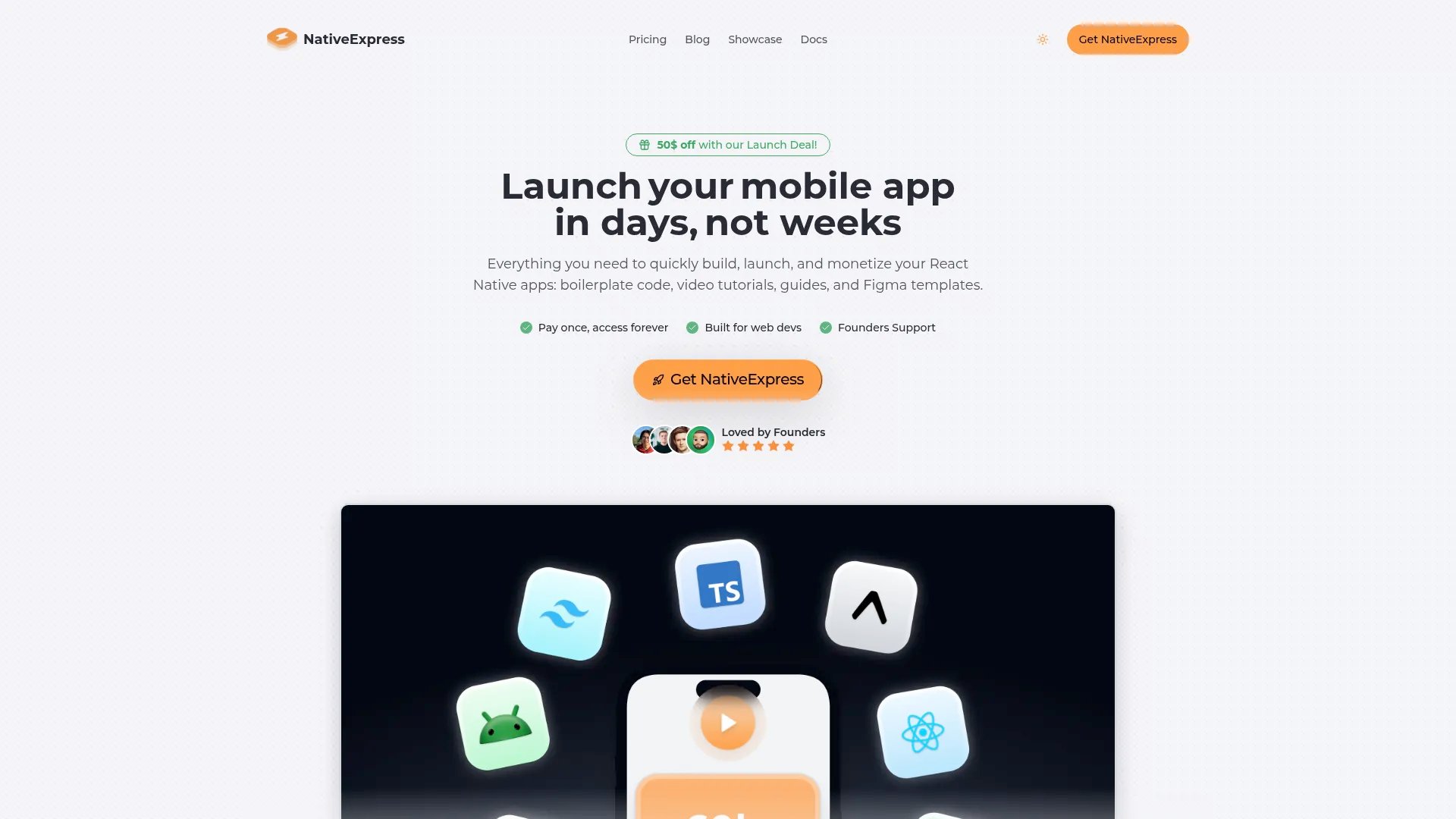
Everything you need to quickly build, launch, and monetize your React Native apps
Features:
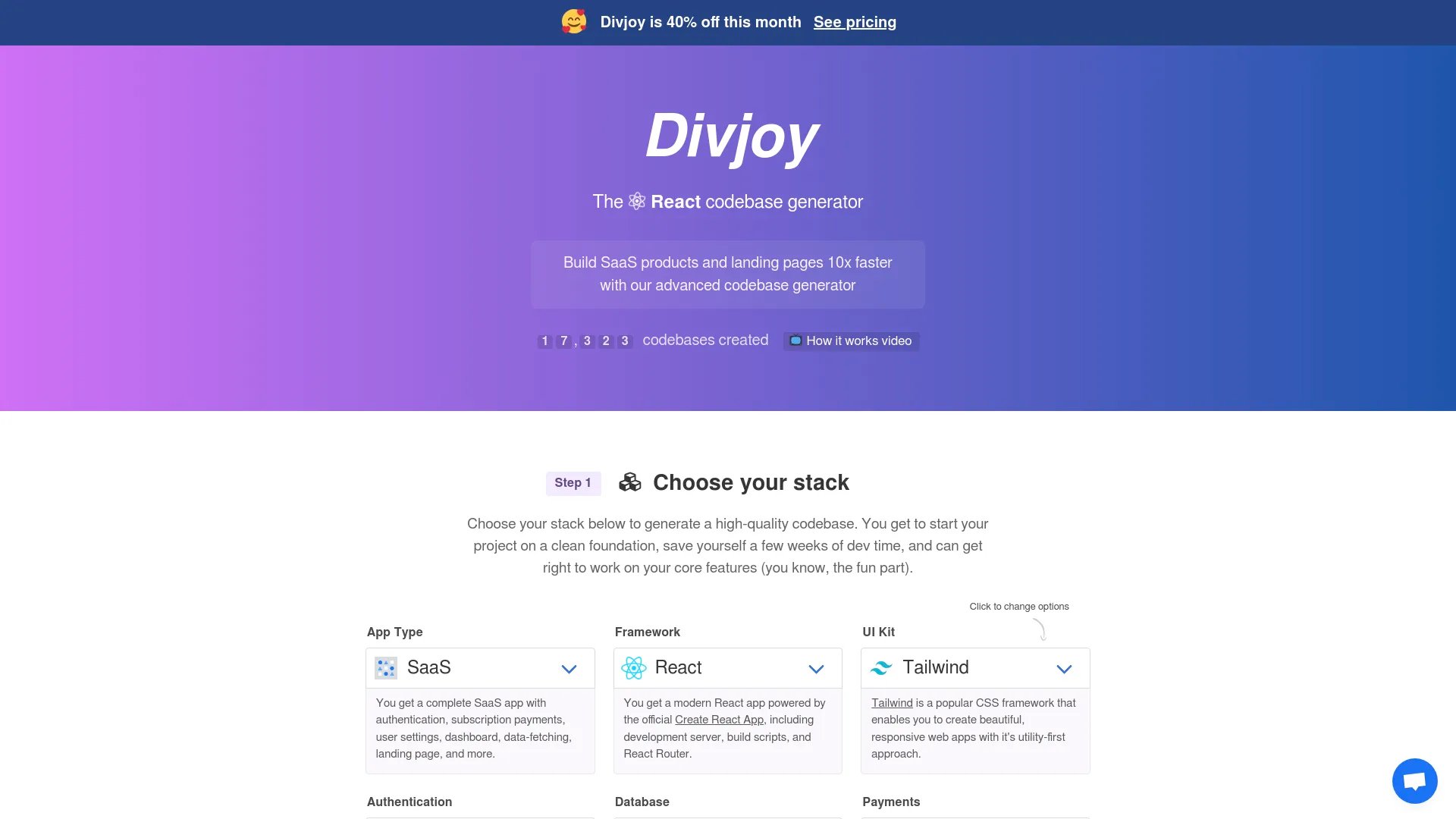
React codebase generator for SaaS products and landing pages
Features:
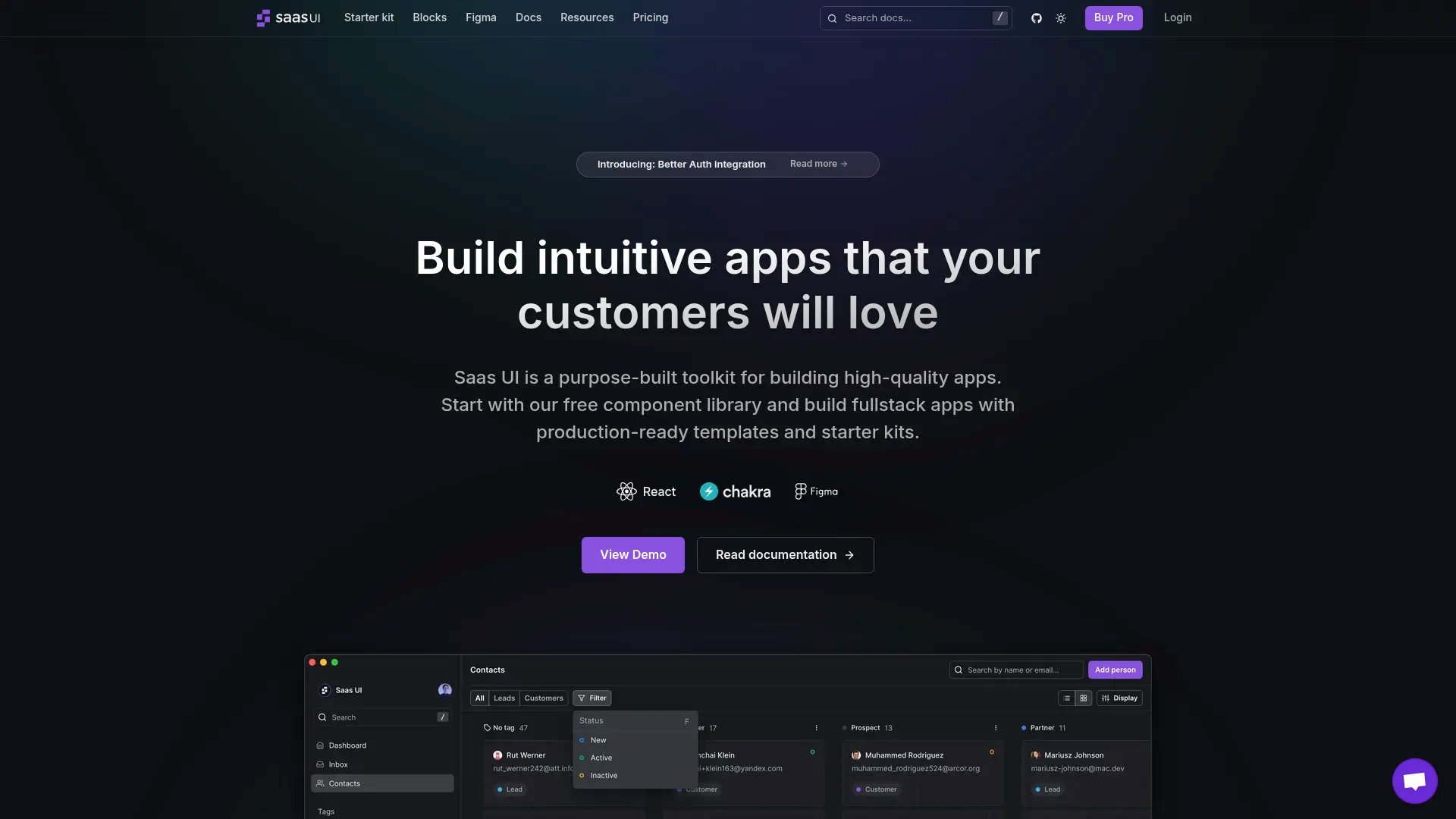
A purpose-built toolkit for building high-quality React apps
Features:
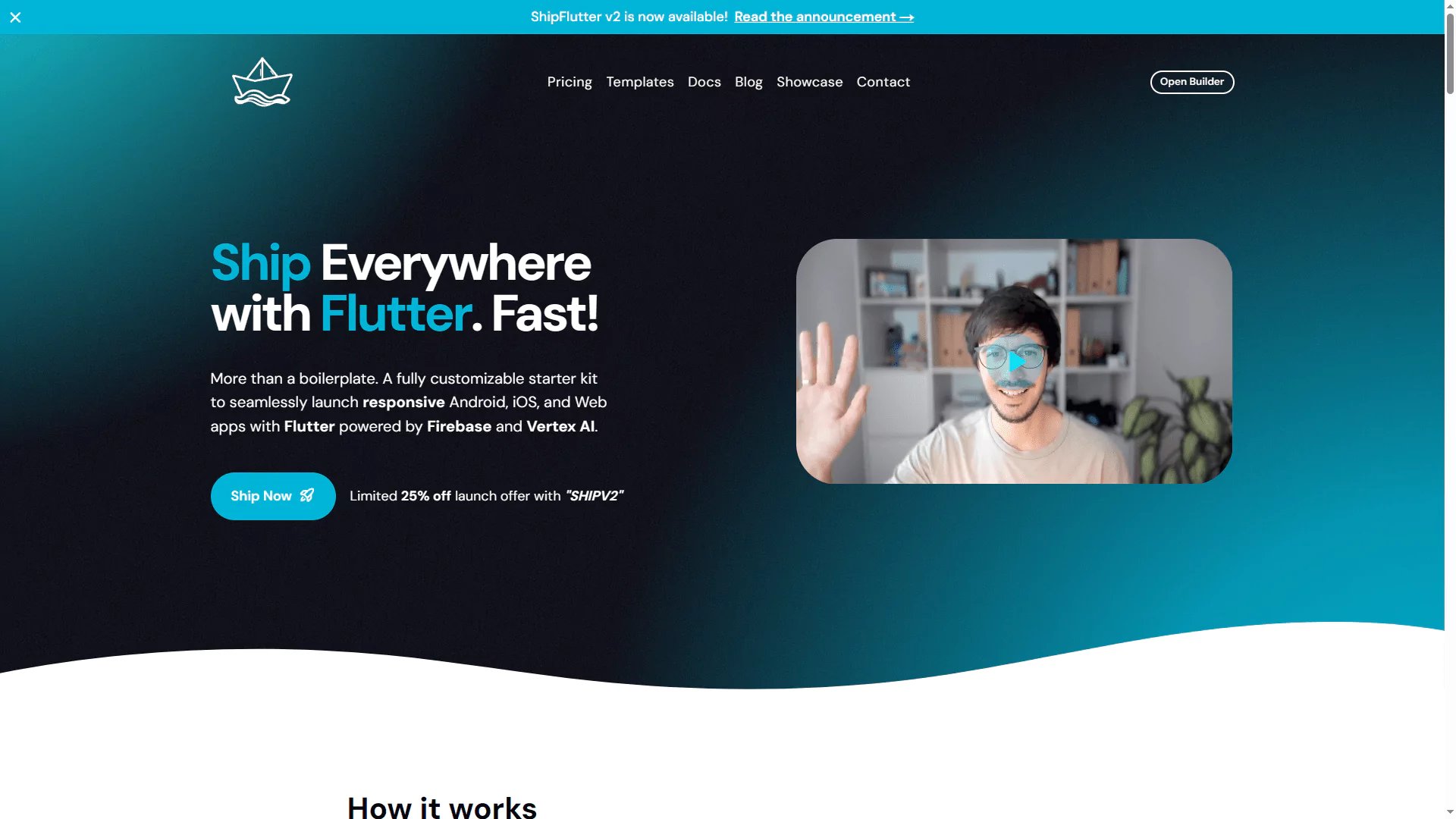
A fully customizable starter kit to seamlessly launch responsive Android, iOS, and Web apps with Flutter powered by Firebase and Vertex AI.
Features:
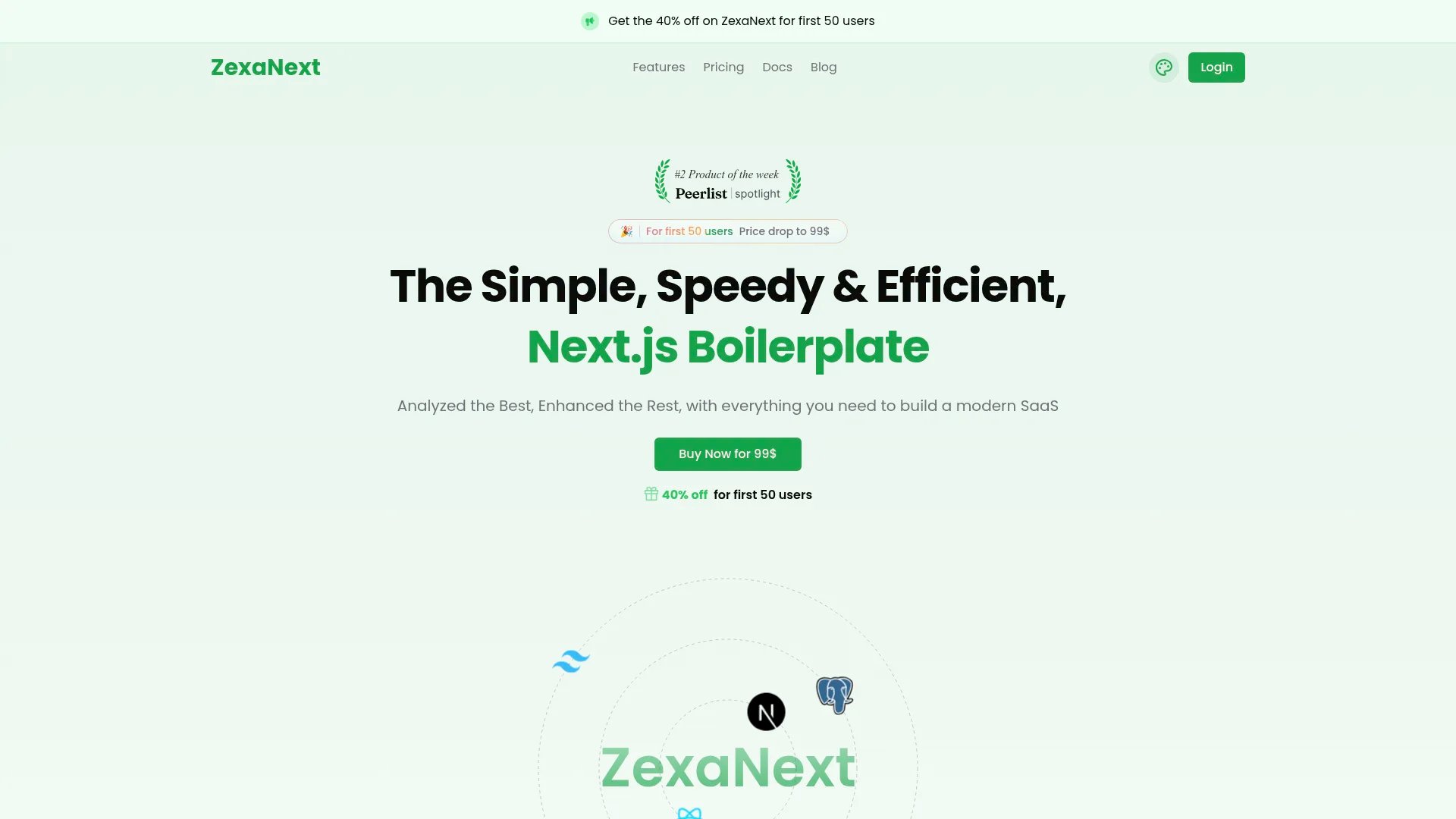
The Simple, Speedy & Efficient Next.js Boilerplate
Features:
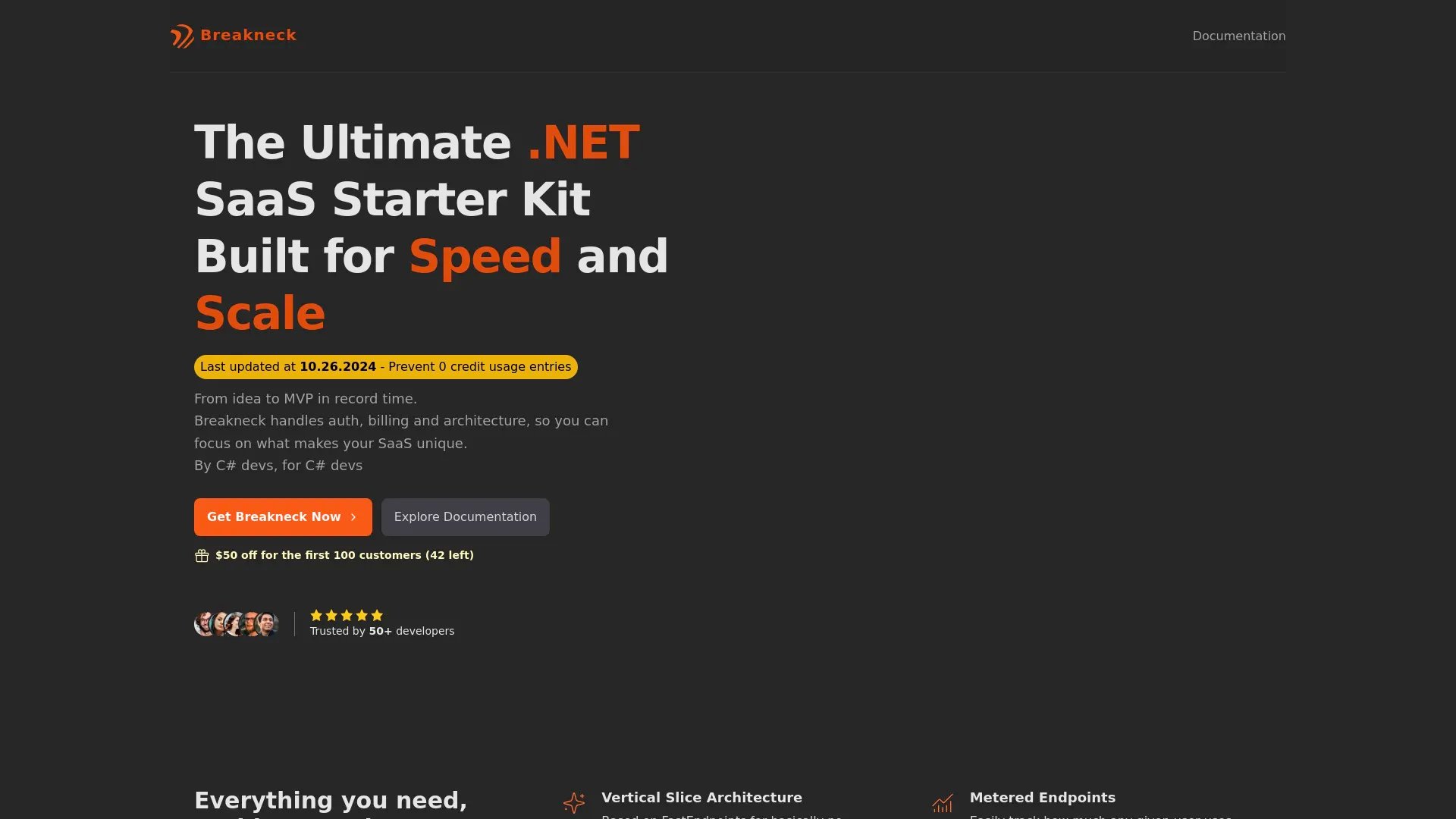
The Ultimate .NET SaaS Starter Kit Built for Speed and Scale
Features:
Database selection determines your data model architecture, from transaction guarantees to scaling strategies. Each database offers distinct approaches to indexing, replication, and query optimization. Our collection features database-specific boilerplates that leverage each database's native capabilities and performance characteristics.
Database-specific boilerplates provide schemas optimized for each database's data model (relational tables, documents, key-value, or column-family), implement database-native indexing strategies (B-tree, hash, full-text), leverage database-specific query features (window functions, aggregation pipelines, graph queries), and include database-optimized connection pooling and caching layers.
Browse our collection of 65 databases boilerplates to find the perfect starting point for your next SaaS project. Each boilerplate has been carefully reviewed to ensure quality, security, and production-readiness.
Database boilerplates leverage native features: PostgreSQL uses JSONB and advanced indexing, MySQL implements full-text search, MongoDB uses aggregation pipelines, Redis leverages in-memory data structures, DynamoDB utilizes partition keys. Each schema is designed around the database's specific strengths.
SaaS schemas include multi-tenant architecture patterns (shared database with tenant_id, database-per-tenant, or schema-per-tenant), user authentication tables, subscription management, and audit logs. Each database type uses its optimal data modeling approach—relational normalization for SQL, document embedding for NoSQL.
Query optimizations include strategic indexing, N+1 query elimination, query result caching, connection pooling, and prepared statements. SQL databases use EXPLAIN analysis, NoSQL databases optimize index usage. Each implementation follows database-specific performance tuning guidelines.
Scaling strategies vary by database: SQL databases use read replicas and vertical scaling, MongoDB implements sharding, DynamoDB auto-scales, Redis uses clustering. Boilerplates include connection pooling, caching layers, and schema designs that support horizontal scaling patterns.
Migration systems are database-specific: Prisma for type-safe migrations, Django ORM for Python apps, Active Record for Rails, Flyway for Java. All include version control for schema changes, rollback capabilities, and seed data. Backup strategies use native tools with automated scheduling.