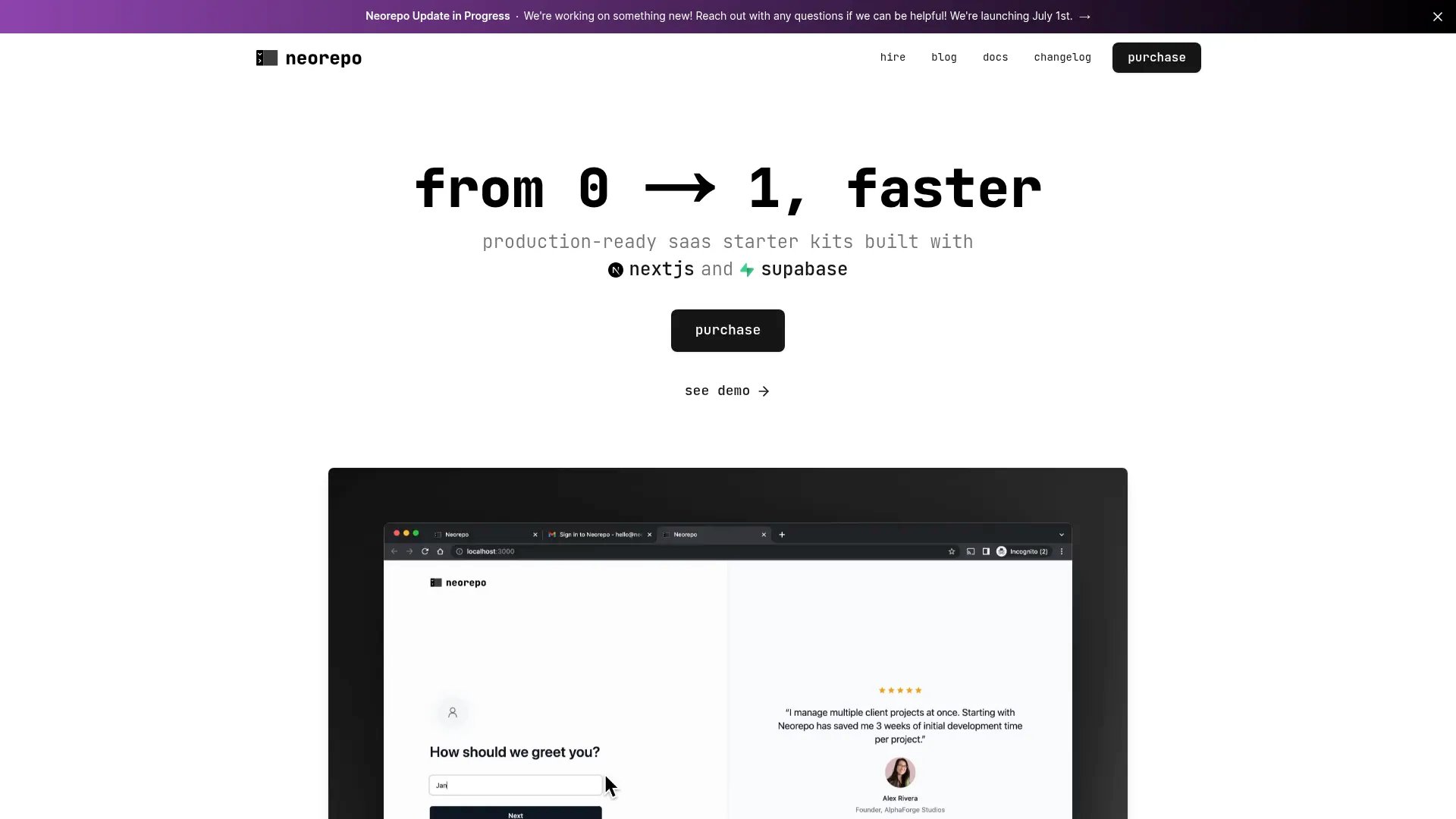
$99
Suparepo
Next.js 14 app router SaaS starter kit built with Supabase
JavaScript
TypeScript
Tailwind CSS
Supabase
Stripe
Next.js
React
tRPC
Features:
Analytics
Auth
Blog
Changelog
ContentLayer
Docs
Emails
+4 more
Explore 5 boilerplates in this collection. Find the perfect starting point for your next project.
Next.js 14 app router SaaS starter kit built with Supabase
Features:
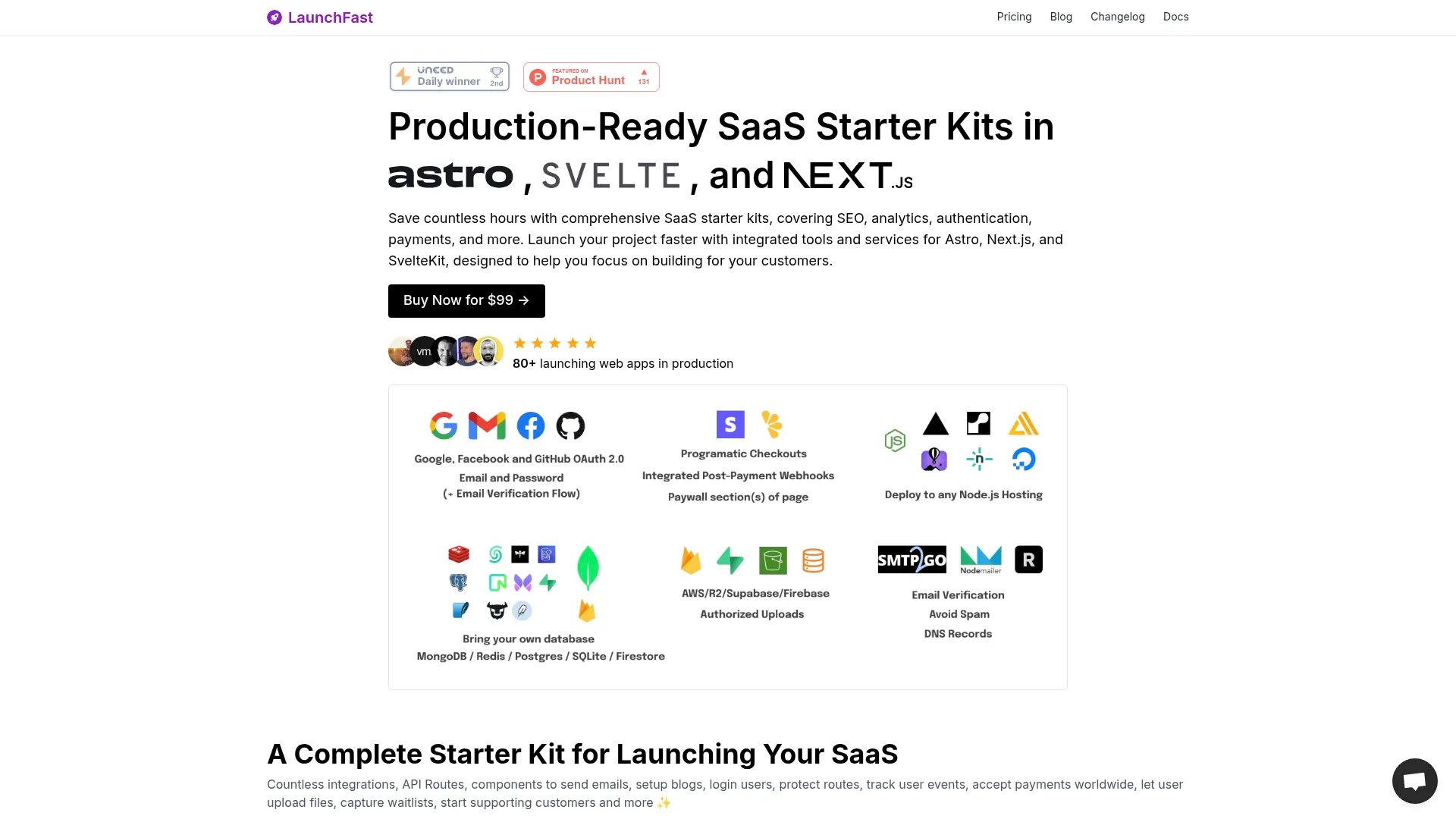
Production-Ready SaaS Starter Kits in Astro, Next.js, and SvelteKit
Features:
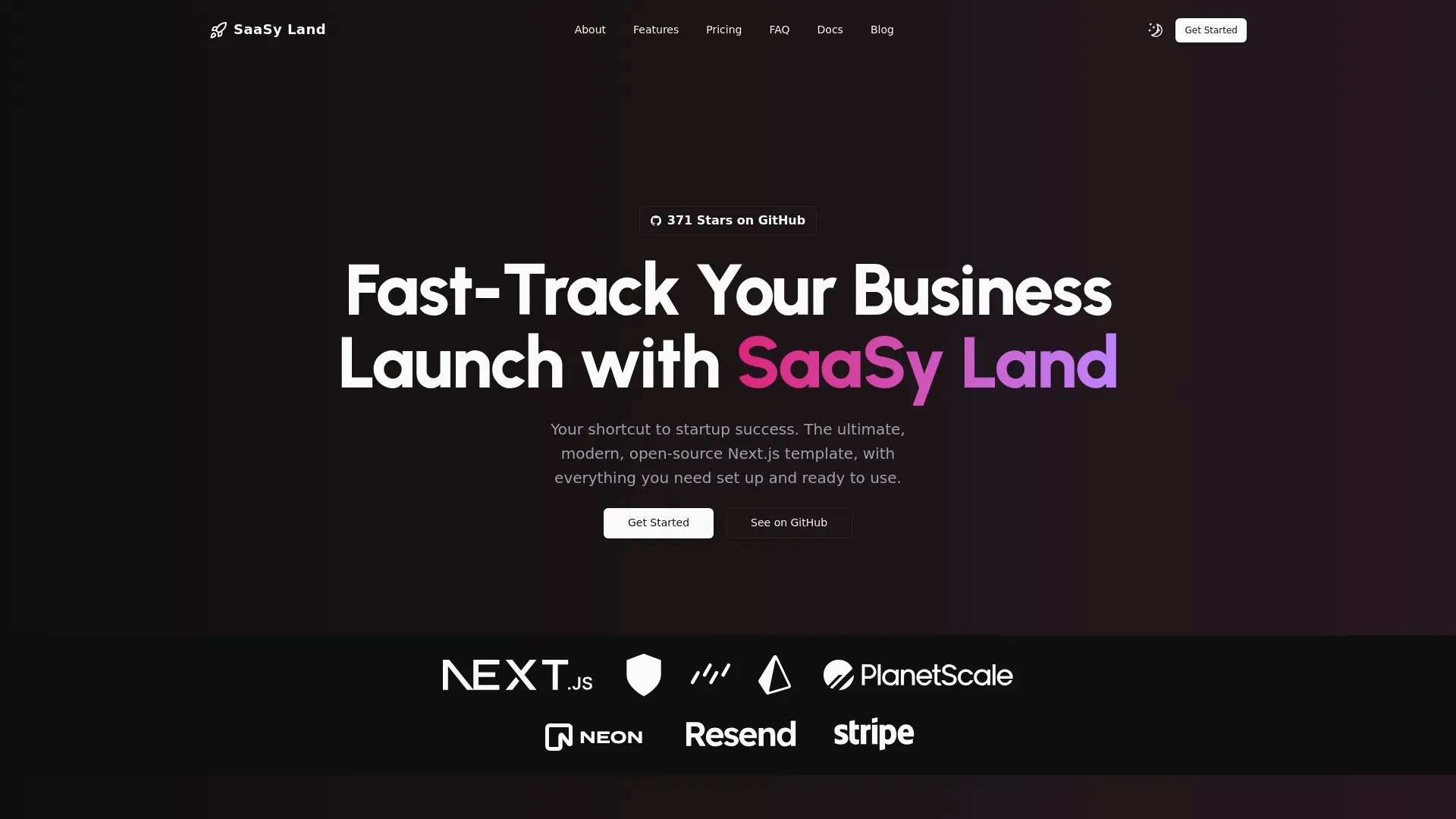
The ultimate, modern, open-source Next.js template with pre-configured authentication and database integration
Features:
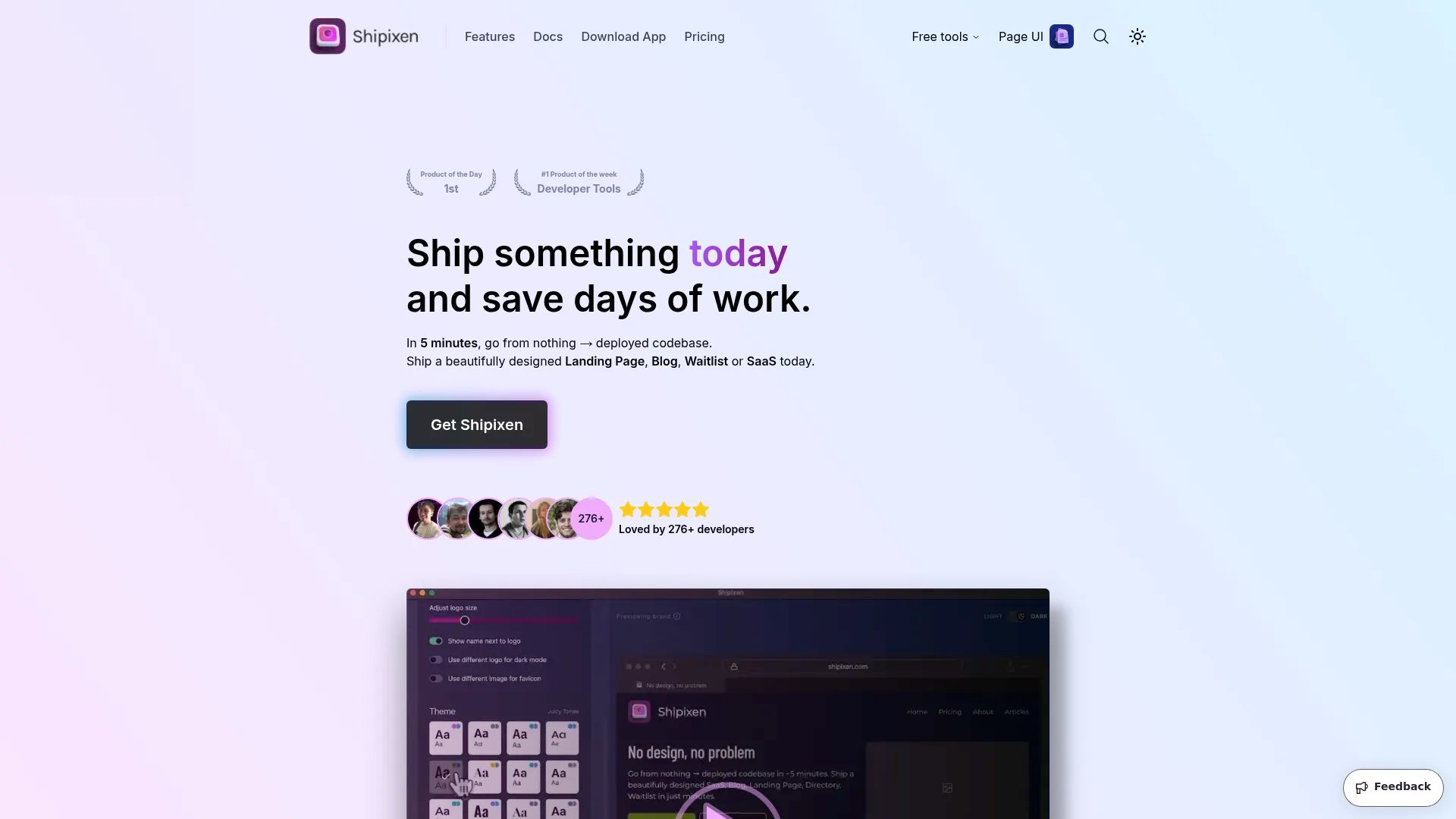
Generate and deploy Next.js 15 websites with MDX blog in minutes
Features:
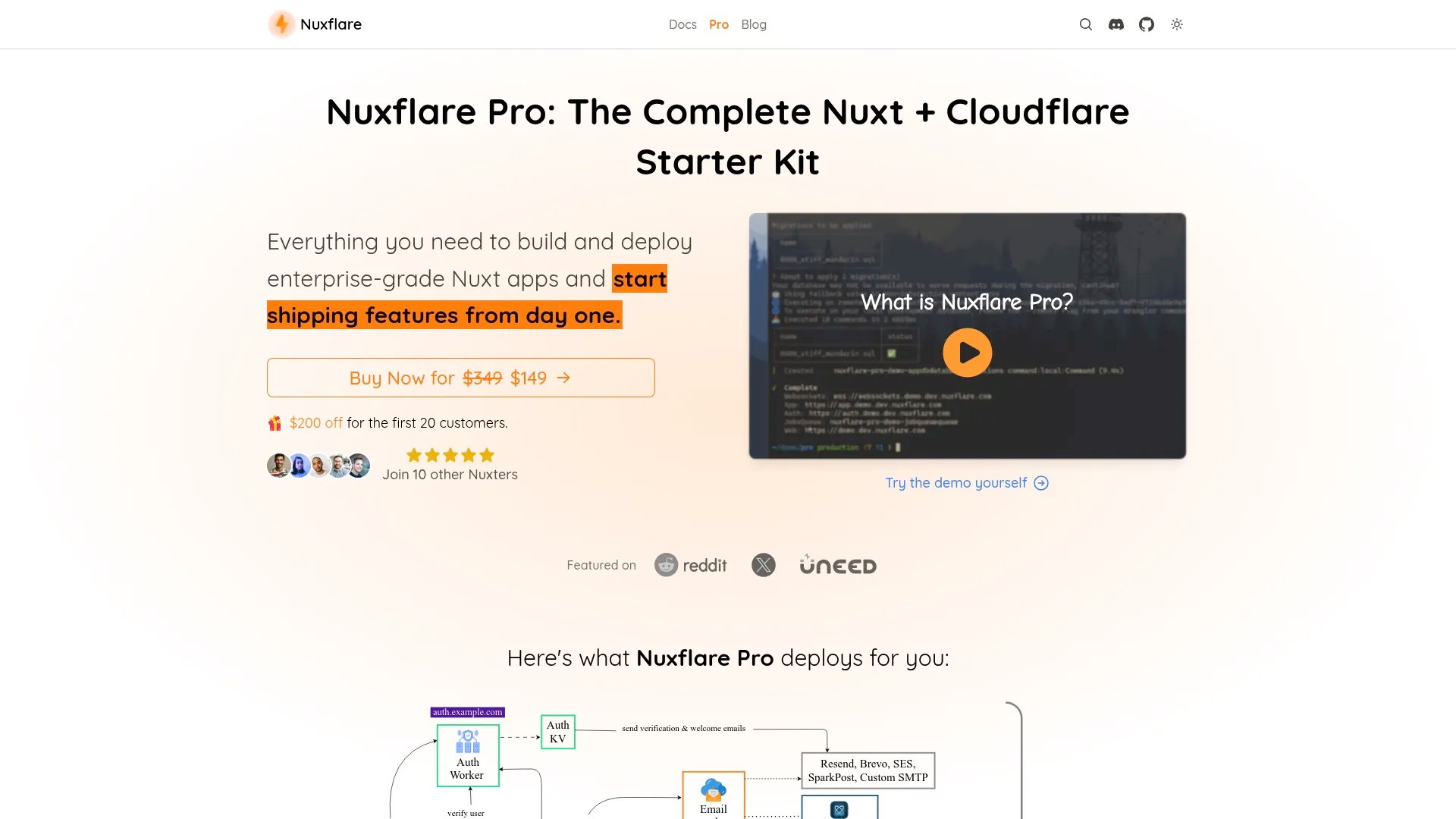
The Complete Nuxt + Cloudflare Starter Kit
Features:
ContentLayer represents a complete full-stack feature with dedicated API endpoints, database models, and UI components architected for SaaS applications. Our boilerplates with ContentLayer implement layered architecture patterns—separating business logic, data access, and presentation—with security measures and testing strategies specific to ContentLayer's functionality.
ContentLayer boilerplates implement full-stack architecture with service layers for business logic, repository patterns for data access, and RESTful/GraphQL API endpoints. They include ContentLayer-specific security measures like input validation with schema libraries (Zod, Joi), parameterized queries for SQL injection prevention, and CSRF protection. The implementation handles ContentLayer's real-time requirements with WebSockets or SSE when needed, includes comprehensive error handling, and follows OWASP security guidelines for ContentLayer's functionality.
Browse our collection of 5 ContentLayer boilerplates to find the perfect starting point for your next SaaS project. Each boilerplate has been carefully reviewed to ensure quality, security, and production-readiness.
ContentLayer is implemented following full-stack architecture patterns with dedicated API endpoints, database models with proper relationships, and corresponding UI components. The feature includes its own service layer for business logic, validation schemas, error handling, and event-driven updates. The architecture separates concerns between presentation, business logic, and data access layers, making ContentLayer maintainable and testable.
ContentLayer implements defense-in-depth security including input validation with schema validation libraries (Zod, Joi, Yup), parameterized database queries to prevent SQL injection, output encoding to prevent XSS attacks, CSRF token validation, and proper authentication/authorization checks. The feature includes rate limiting, audit logging, and follows OWASP security guidelines specific to ContentLayer's functionality.
ContentLayer can include real-time capabilities using WebSockets, Server-Sent Events (SSE), or polling strategies depending on the use case. Real-time implementations use Socket.io, native WebSockets, or framework-specific solutions with proper connection management, authentication, and scaling considerations. The feature handles reconnection logic, message queuing, and optimistic UI updates for responsive user experience.
ContentLayer's API endpoints follow RESTful principles or GraphQL patterns with proper HTTP methods, status codes, and response structures. The implementation includes request validation, pagination for list endpoints, filtering and sorting capabilities, and comprehensive error responses with meaningful messages. API versioning, rate limiting per endpoint, and OpenAPI/GraphQL schema documentation are included for ContentLayer's public-facing endpoints.
ContentLayer includes unit tests for business logic, integration tests for API endpoints and database interactions, and end-to-end tests for critical user flows. The testing suite uses framework-specific tools (Jest, Pytest, RSpec, PHPUnit) with mocking libraries, test fixtures, and database seeding. Tests cover happy paths, error cases, edge conditions, and security scenarios specific to ContentLayer's functionality with proper test coverage reporting.