GDPR Boilerplates

Explore 5 boilerplates in this collection. Find the perfect starting point for your next project.

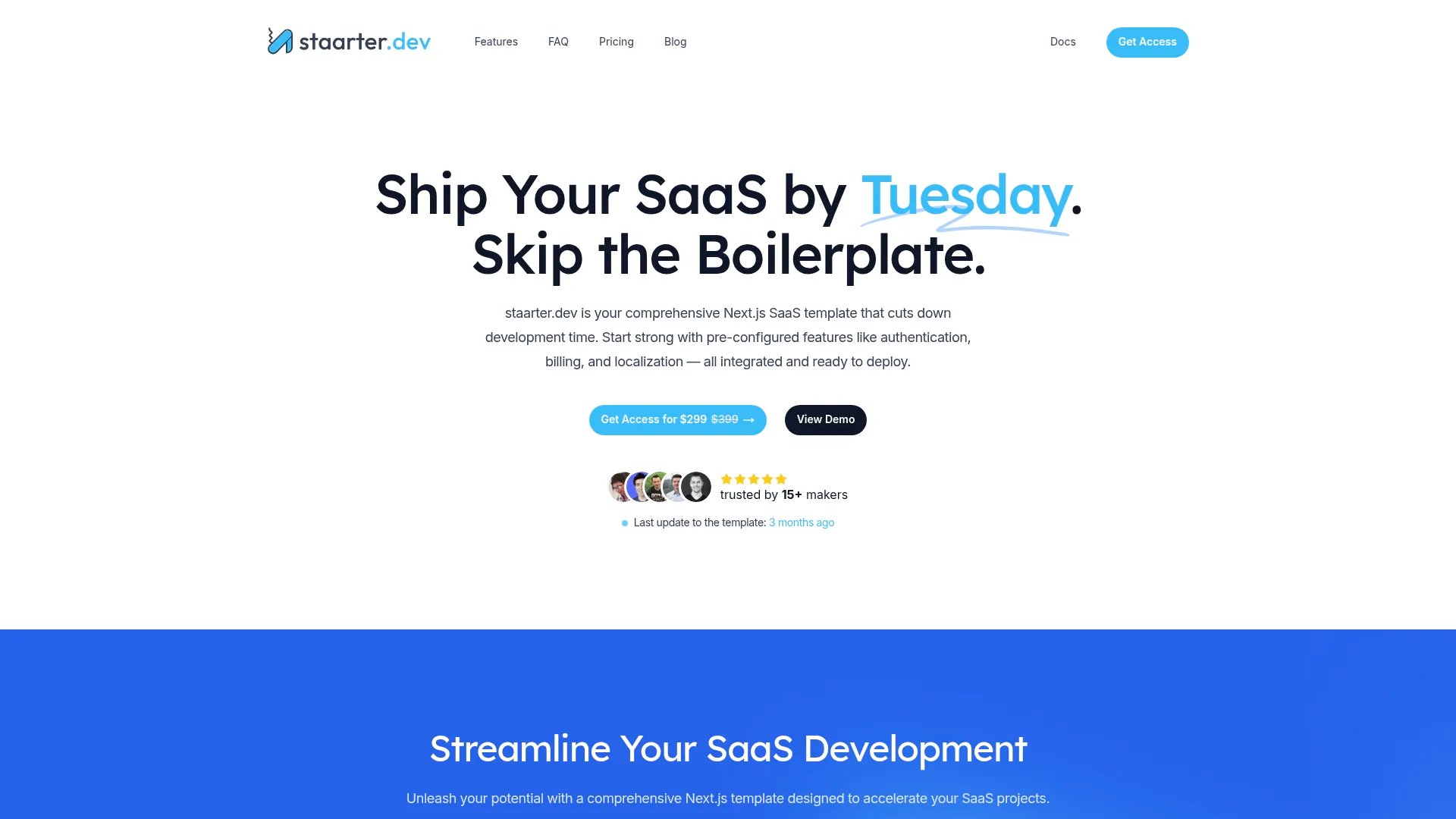
Visit website for Staarter.dev

Staarter.dev

A comprehensive Next.js SaaS template with pre-configured authentication, billing, and localization

JavaScript
TypeScript
shadcn/ui
Tailwind CSS
MongoDB
MySQL
PostgreSQL
Prisma
SQLite
Lemon Squeezy
Paddle
Stripe
Next.js
React

Features:

Admin
AI
Analytics
Auth
Billing
Blog
Dark Mode
+12 more
Visit website for Now.TS

Now.TS

Transform your idea into a professional application with a Next.js 15 boilerplate

JavaScript
TypeScript
shadcn/ui
Tailwind CSS
PostgreSQL
Prisma
Stripe
Next.js

Features:

AI
Auth
CI/CD
Developer Tools
Emails
GDPR
i18n
+3 more
Visit website for 31SaaS

31SaaS

NextJs boilerplate that has everything you need to build a working product, not MVP

JavaScript
TypeScript
Radix UI
React
shadcn/ui
Tailwind CSS
Appwrite
Stripe
Next.js

Features:

Admin
Auth
Blog
ContentLayer
Emails
GDPR
JWT
+7 more
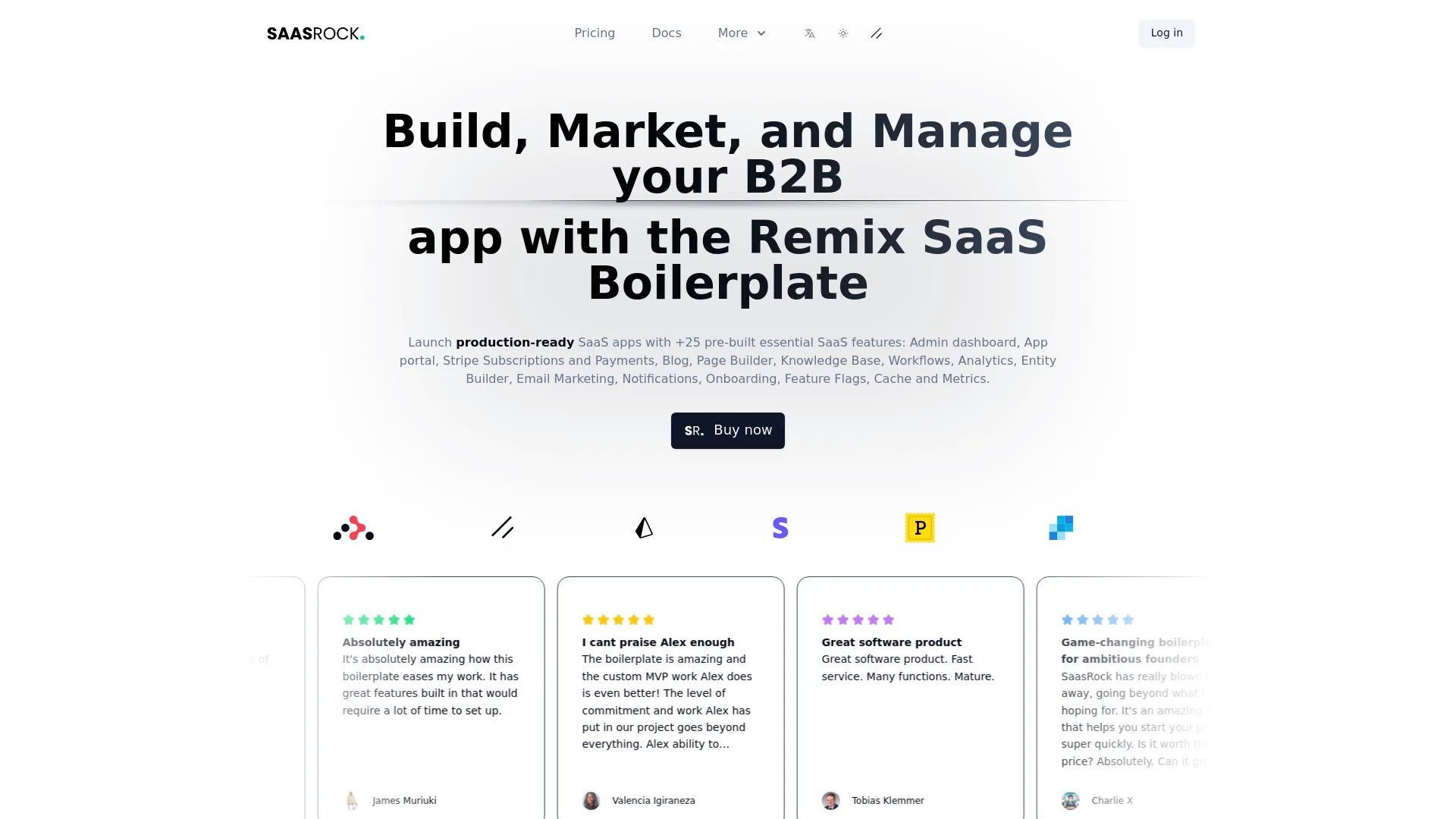
Visit website for SaasRock

SaasRock

The Remix SaaS Boilerplate with 25+ built-in features to build, market, and manage your B2B app.

JavaScript
TypeScript
React
Tailwind CSS
PostgreSQL
SQLite
Stripe
Remix

Features:

Access Control
Admin
Analytics
API
Auth
Background Jobs
Blog
+10 more
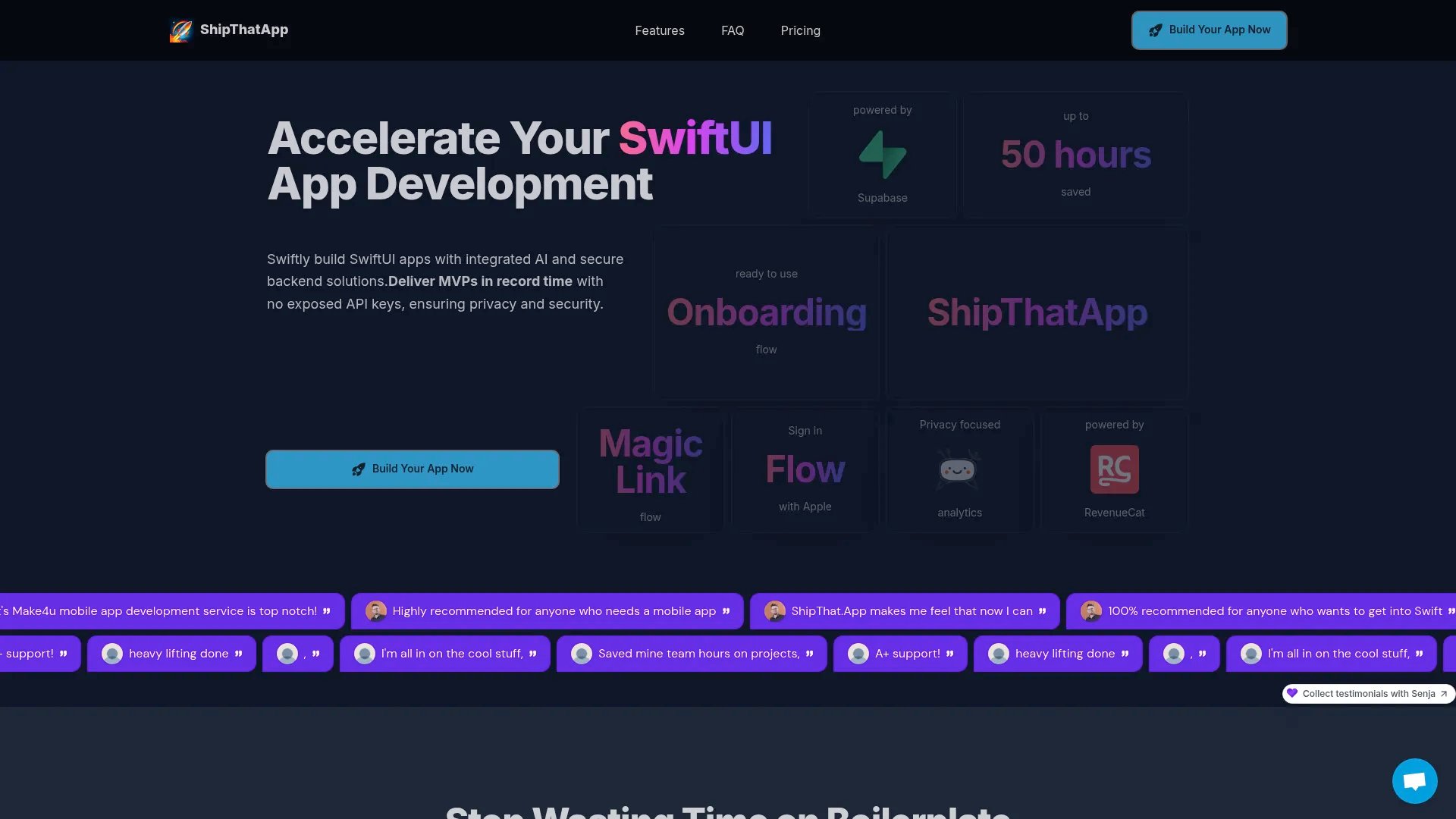
Visit website for ShipThatApp

ShipThatApp

Accelerate your SwiftUI app development with integrated AI and secure backend solutions

Swift
SwiftUI
Supabase
RevenueCat
StoreKit 2
SwiftUI

Features:

AI
Analytics
API
Auth
ChatGPT
Dark Mode
Deployment
+7 more

Why Choose GDPR Boilerplates?

GDPR represents a complete full-stack feature with dedicated API endpoints, database models, and UI components architected for SaaS applications. Our boilerplates with GDPR implement layered architecture patterns—separating business logic, data access, and presentation—with security measures and testing strategies specific to GDPR's functionality.

GDPR boilerplates implement full-stack architecture with service layers for business logic, repository patterns for data access, and RESTful/GraphQL API endpoints. They include GDPR-specific security measures like input validation with schema libraries (Zod, Joi), parameterized queries for SQL injection prevention, and CSRF protection. The implementation handles GDPR's real-time requirements with WebSockets or SSE when needed, includes comprehensive error handling, and follows OWASP security guidelines for GDPR's functionality.

Key Benefits

  • GDPR layered architecture
  • GDPR-specific security measures
  • GDPR API endpoint design
  • GDPR real-time capabilities
  • GDPR validation schemas
  • GDPR error handling
  • GDPR testing suite
  • GDPR performance optimization

Browse our collection of 5 GDPR boilerplates to find the perfect starting point for your next SaaS project. Each boilerplate has been carefully reviewed to ensure quality, security, and production-readiness.

Frequently Asked Questions

How is GDPR architecturally implemented?

GDPR is implemented following full-stack architecture patterns with dedicated API endpoints, database models with proper relationships, and corresponding UI components. The feature includes its own service layer for business logic, validation schemas, error handling, and event-driven updates. The architecture separates concerns between presentation, business logic, and data access layers, making GDPR maintainable and testable.

What security measures protect GDPR?

GDPR implements defense-in-depth security including input validation with schema validation libraries (Zod, Joi, Yup), parameterized database queries to prevent SQL injection, output encoding to prevent XSS attacks, CSRF token validation, and proper authentication/authorization checks. The feature includes rate limiting, audit logging, and follows OWASP security guidelines specific to GDPR's functionality.

How does GDPR handle real-time updates?

GDPR can include real-time capabilities using WebSockets, Server-Sent Events (SSE), or polling strategies depending on the use case. Real-time implementations use Socket.io, native WebSockets, or framework-specific solutions with proper connection management, authentication, and scaling considerations. The feature handles reconnection logic, message queuing, and optimistic UI updates for responsive user experience.

What API patterns does GDPR use?

GDPR's API endpoints follow RESTful principles or GraphQL patterns with proper HTTP methods, status codes, and response structures. The implementation includes request validation, pagination for list endpoints, filtering and sorting capabilities, and comprehensive error responses with meaningful messages. API versioning, rate limiting per endpoint, and OpenAPI/GraphQL schema documentation are included for GDPR's public-facing endpoints.

How is GDPR tested and validated?

GDPR includes unit tests for business logic, integration tests for API endpoints and database interactions, and end-to-end tests for critical user flows. The testing suite uses framework-specific tools (Jest, Pytest, RSpec, PHPUnit) with mocking libraries, test fixtures, and database seeding. Tests cover happy paths, error cases, edge conditions, and security scenarios specific to GDPR's functionality with proper test coverage reporting.