Free
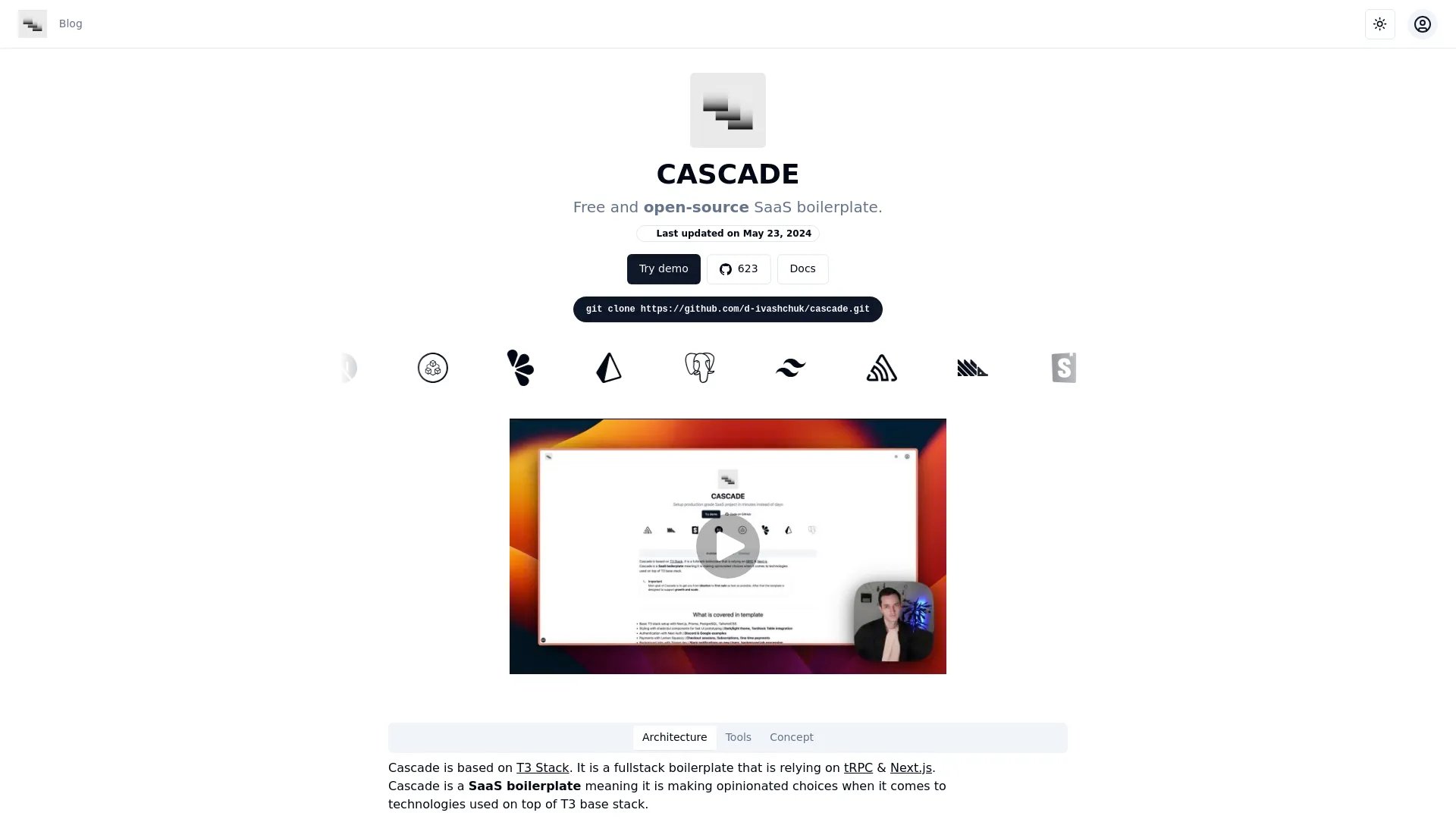
Cascade
Free and open-source SaaS boilerplate
JavaScript
TypeScript
shadcn/ui
Tailwind CSS
PostgreSQL
Lemon Squeezy
Next.js
tRPC
Features:
Analytics
Auth
Background Jobs
Blog
CI/CD
Dark Mode
Emails
+7 more
Explore 76 boilerplates in this category. Find the perfect starting point for your next project.
3 boilerplates
5 boilerplates
2 boilerplates
1 boilerplate
3 boilerplates
56 boilerplates
3 boilerplates
8 boilerplates
5 boilerplates
4 boilerplates
52 boilerplates
Free and open-source SaaS boilerplate
Features:
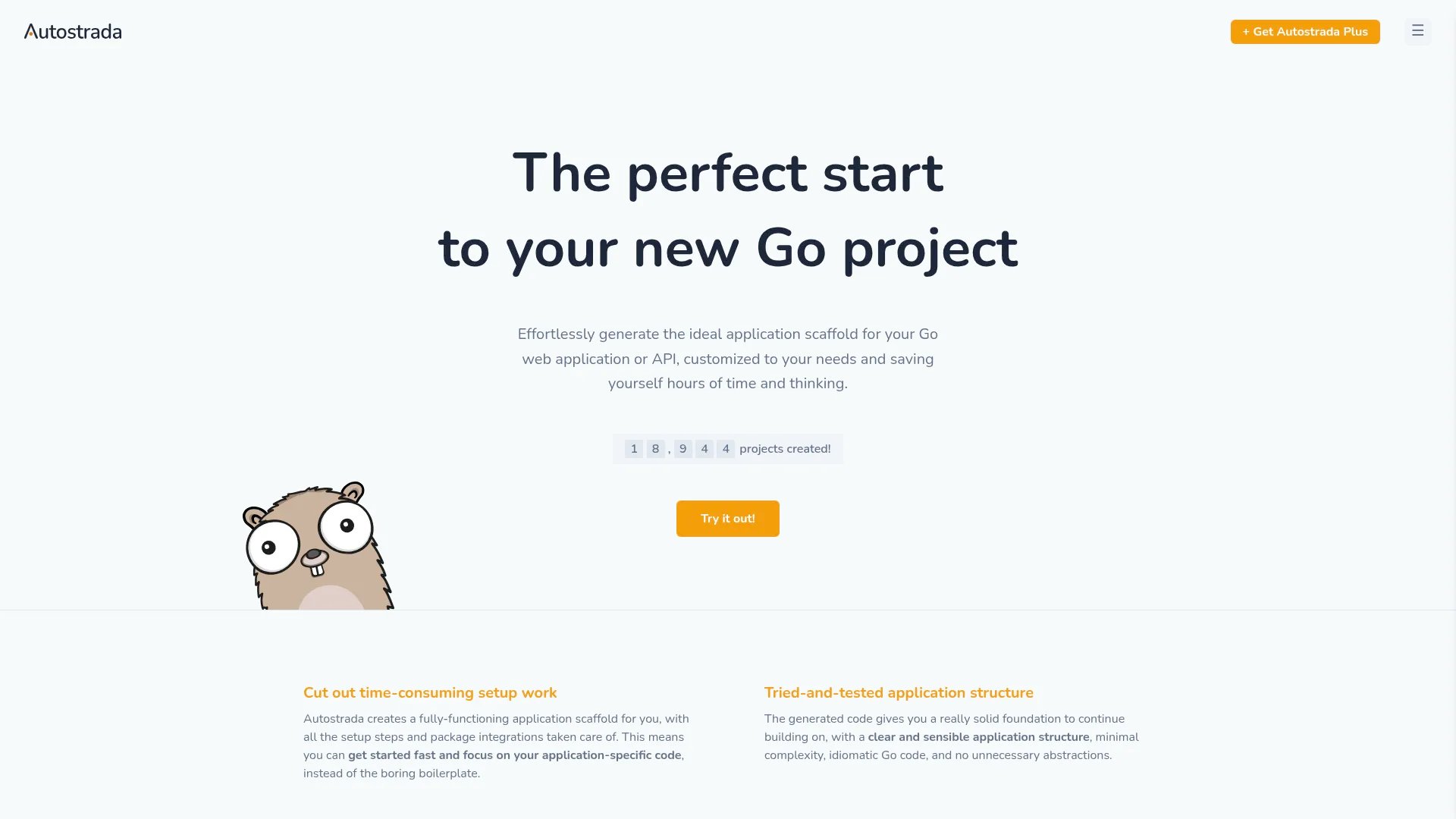
Generate the ideal application scaffold for Go web applications or APIs
Features:
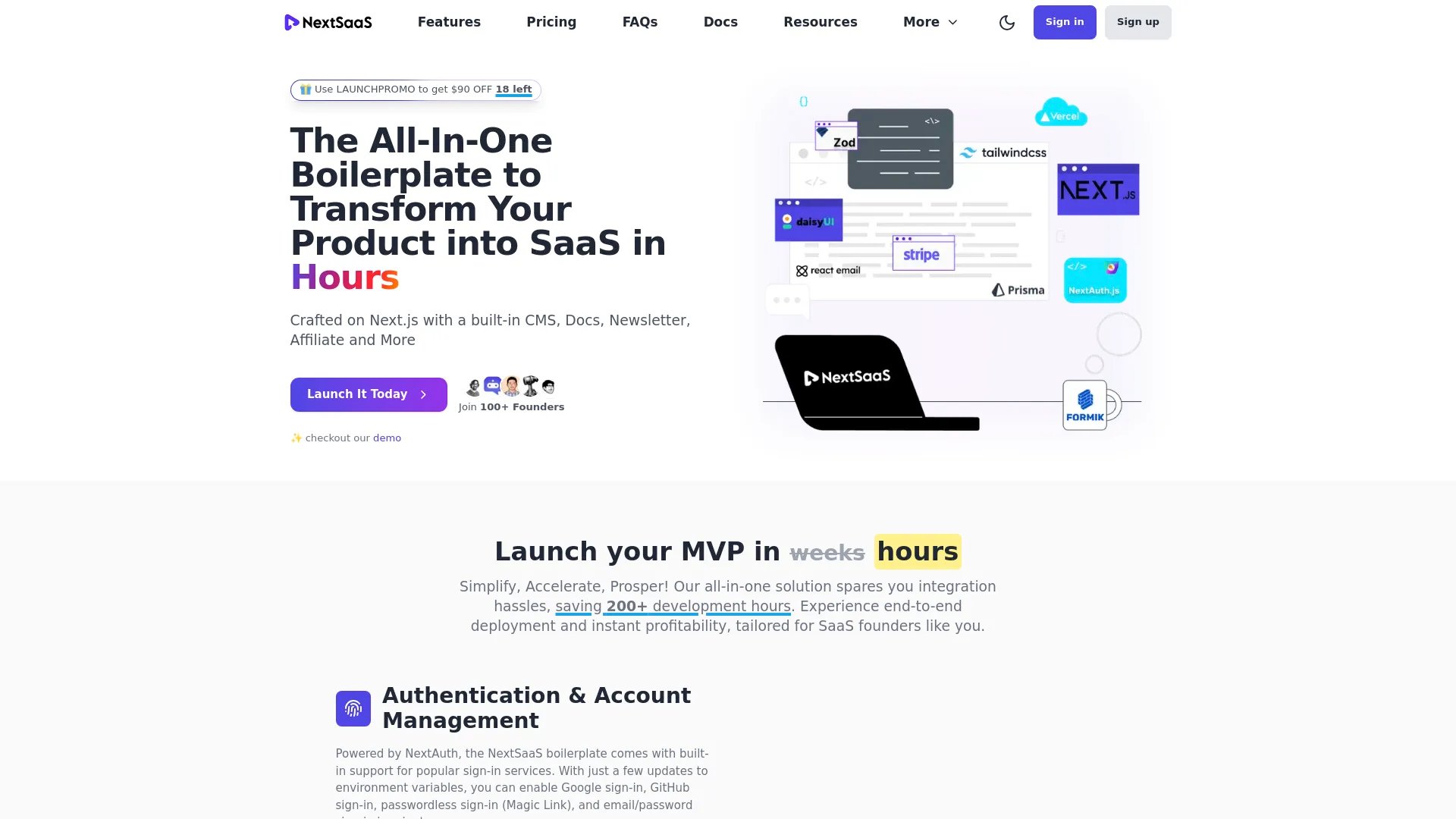
The All-In-One Boilerplate to Transform Your Product into SaaS in Hours
Features:
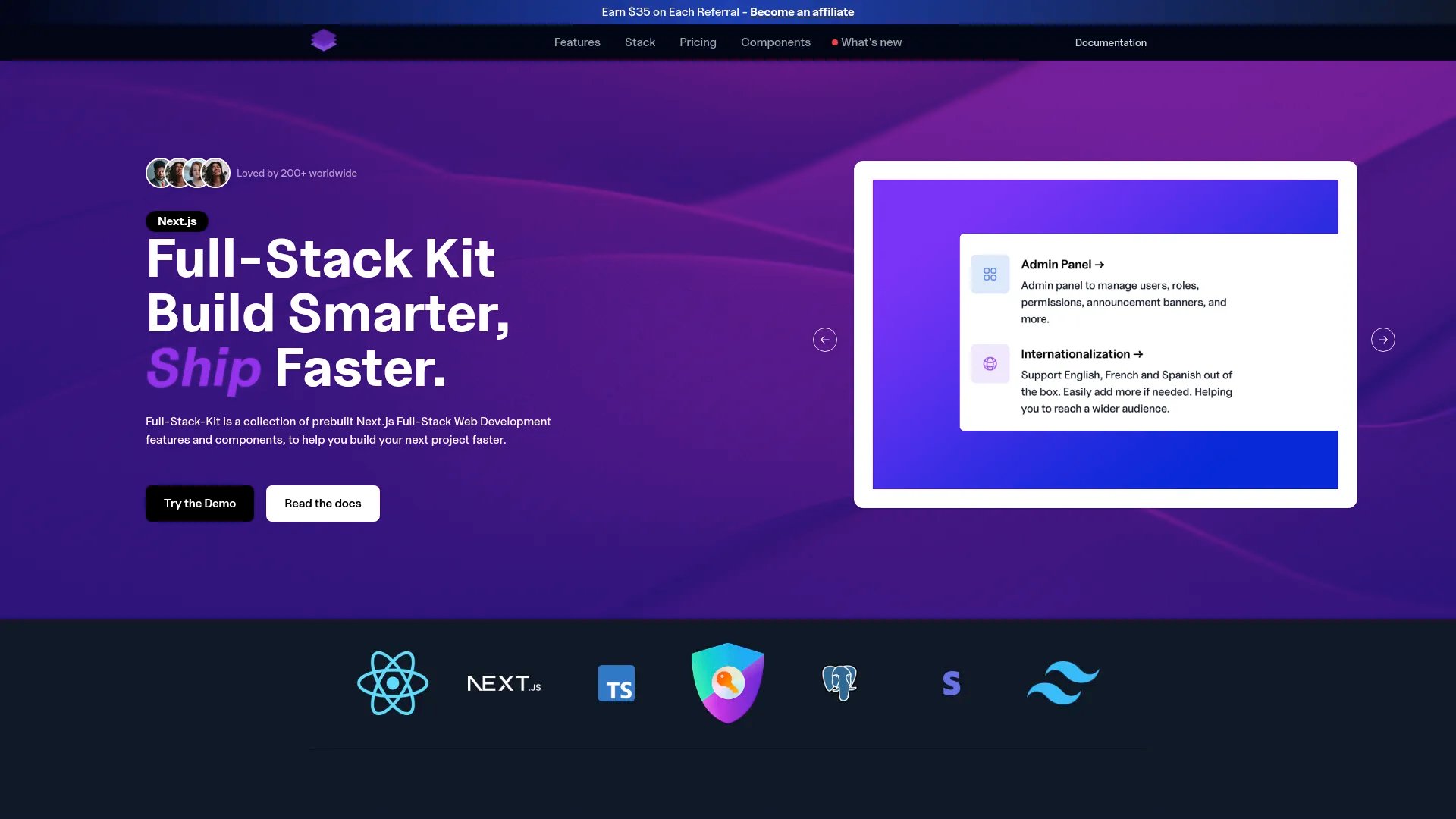
A collection of prebuilt Next.js Full-Stack Web Development features and components
Features:
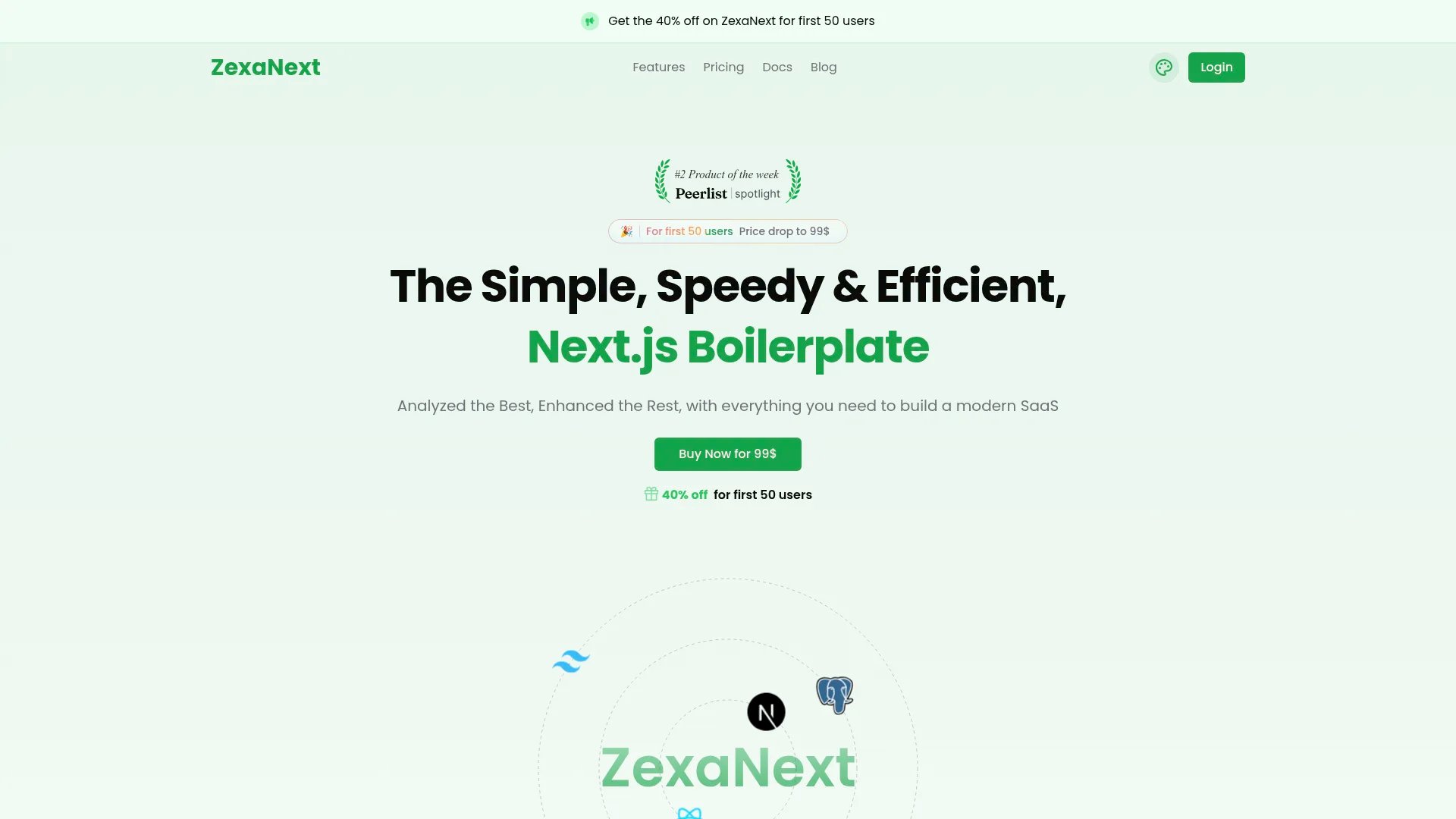
The Simple, Speedy & Efficient Next.js Boilerplate
Features:
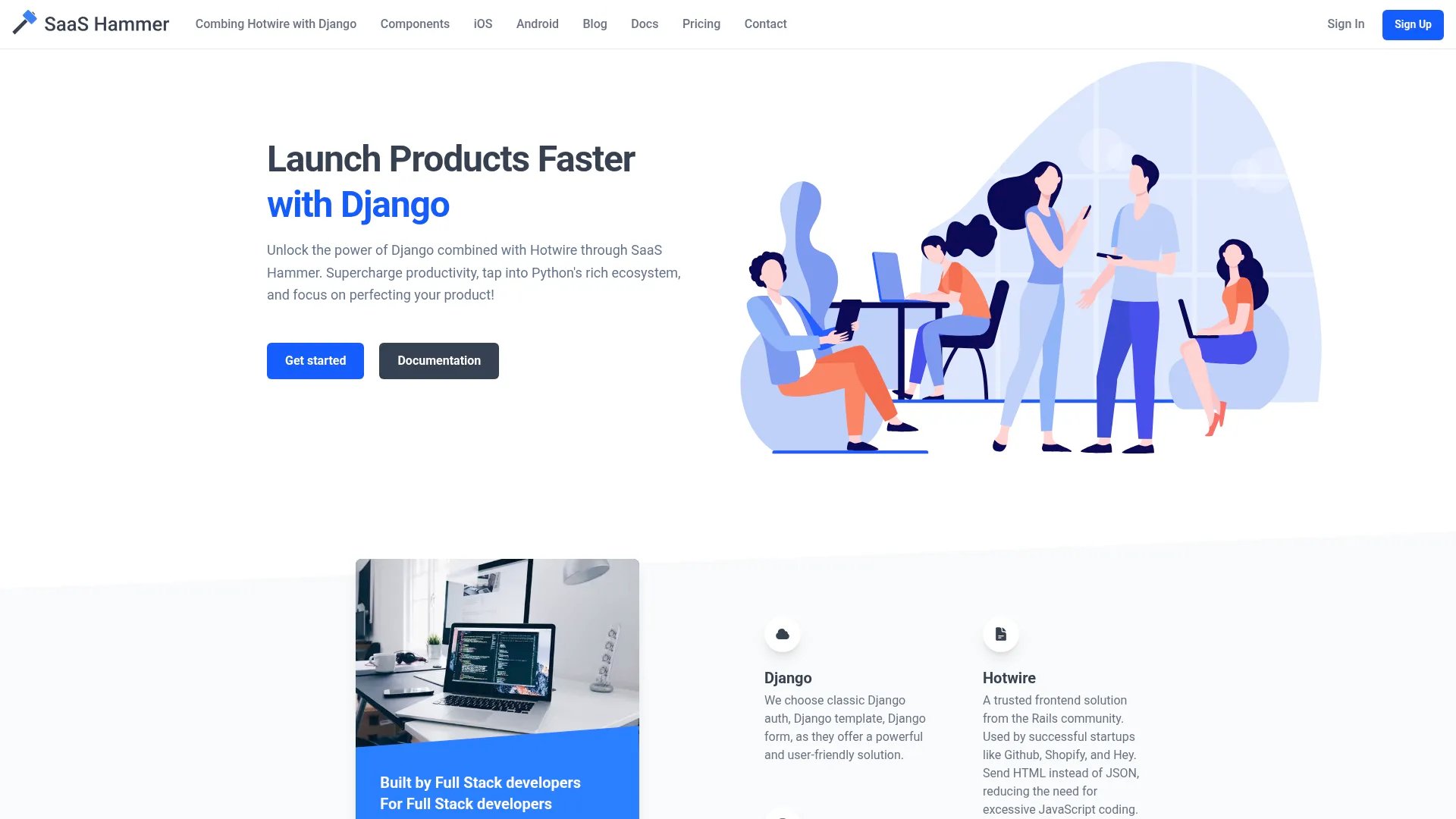
Django boilerplate with Hotwire integration for rapid SaaS development
Features:
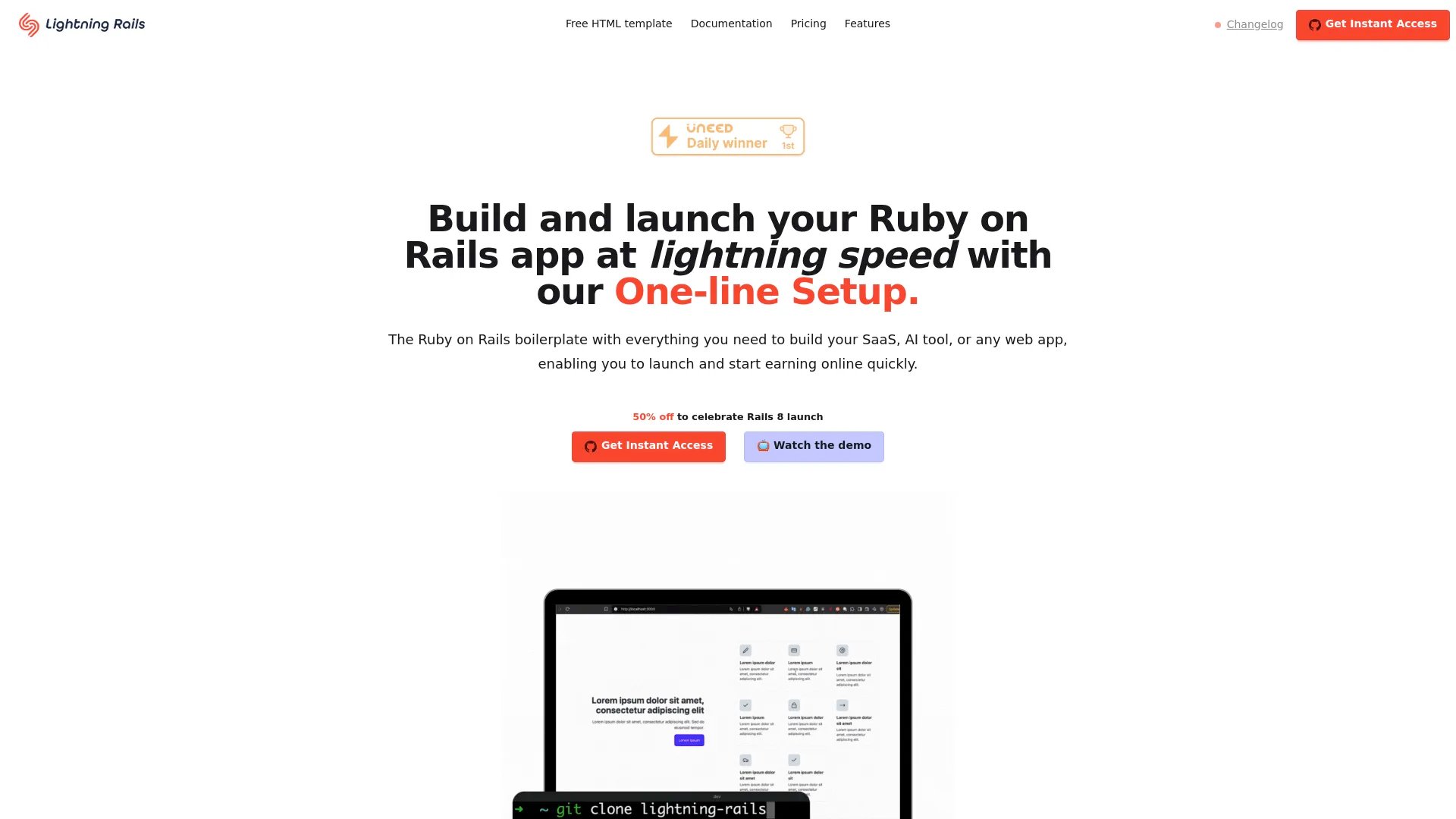
Ruby on Rails boilerplate with everything needed to build SaaS, AI tools, or web apps quickly
Features:
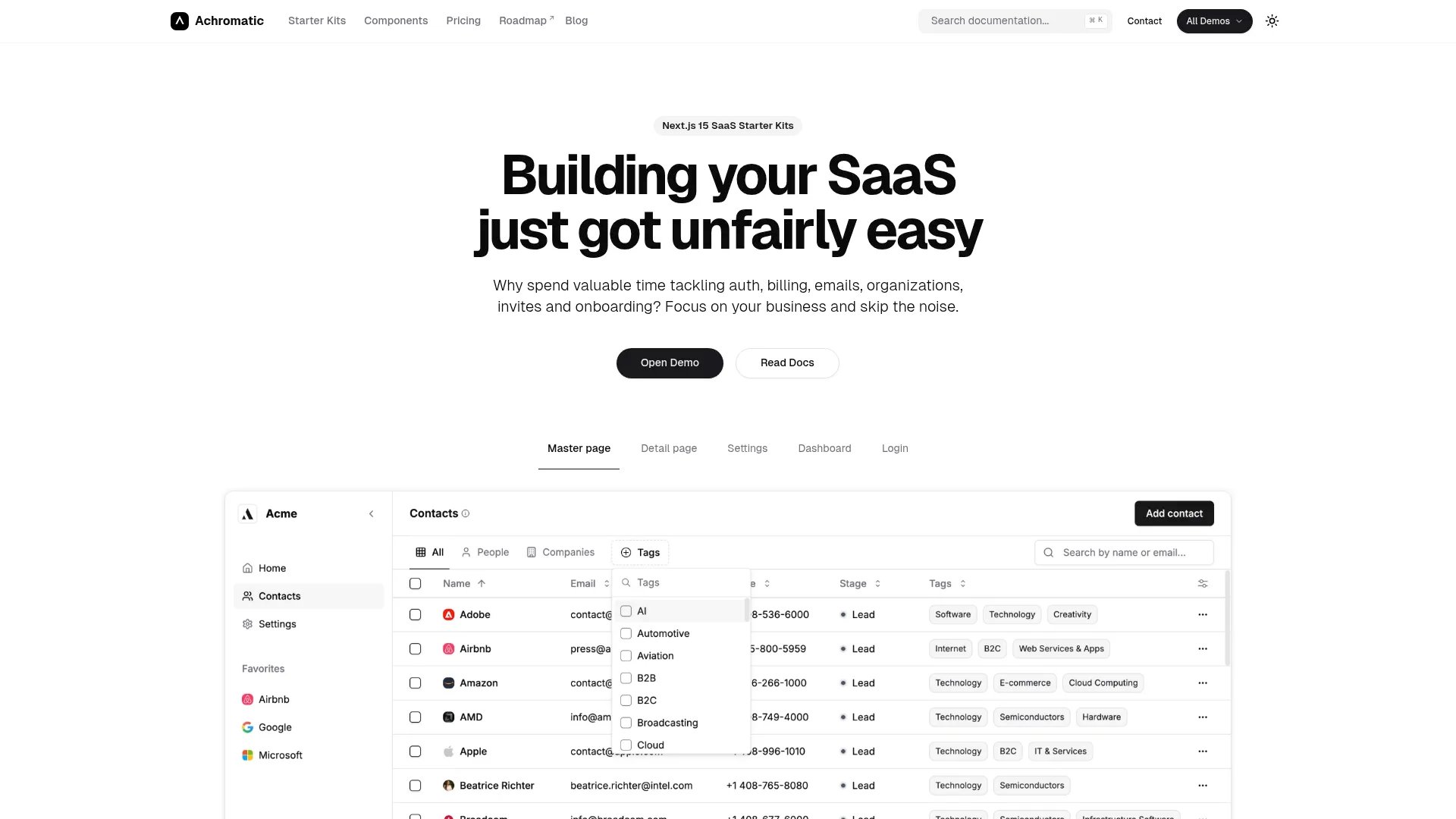
Next.js 15 SaaS Starter Kit with authentication, billing, and more
Features:
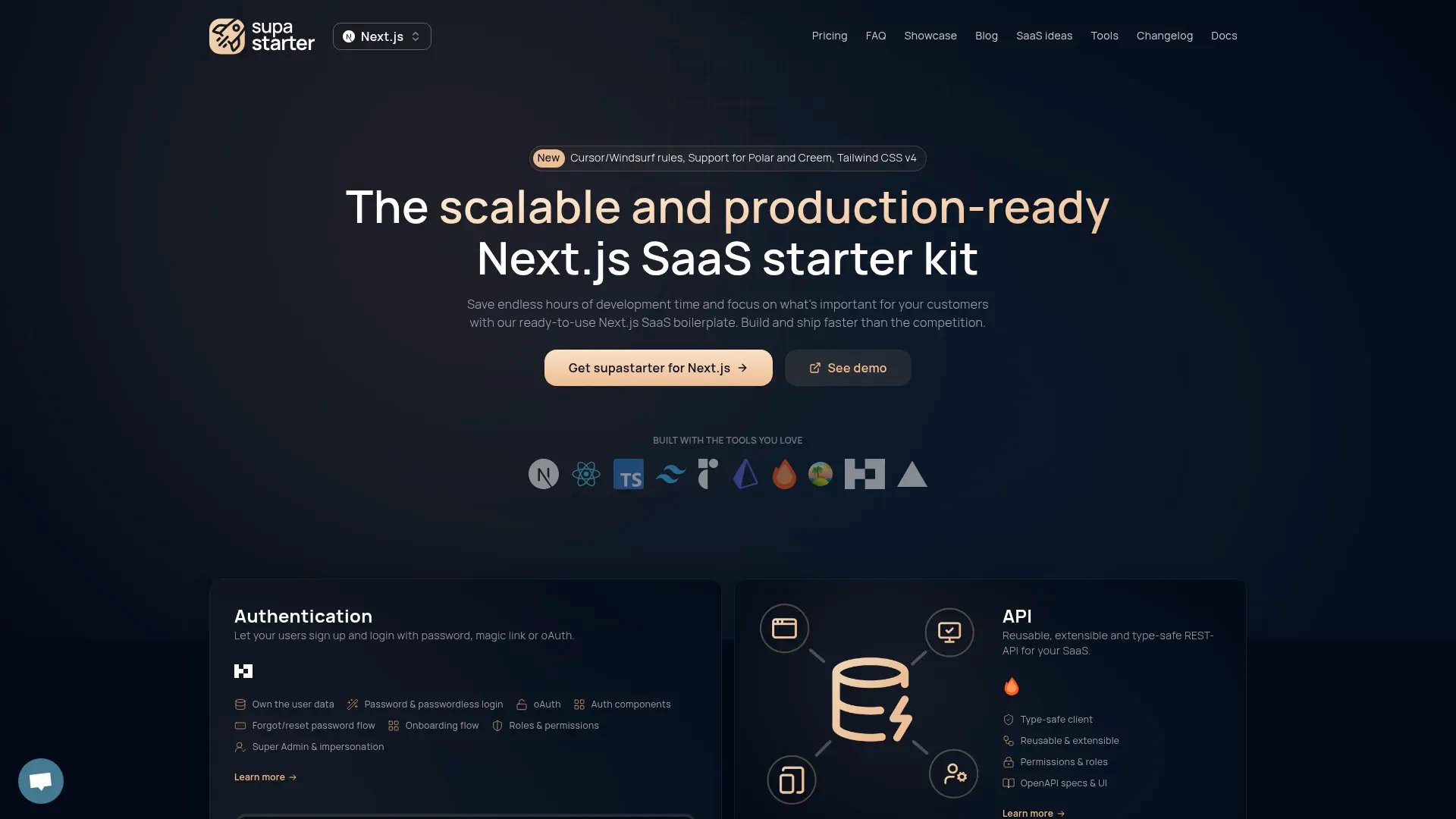
Scalable and production-ready SaaS starter kit for Next.js, Nuxt, and SvelteKit.
Features:
Programming language selection fundamentally shapes your SaaS architecture, from runtime performance to developer productivity. Each language offers distinct trade-offs in type safety, concurrency models, and ecosystem maturity. Our collection features language-specific boilerplates that harness each language's unique capabilities for SaaS applications.
Language-specific boilerplates provide pre-configured toolchains (linters, formatters, test runners) native to each language, implement language-appropriate concurrency patterns (async/await, goroutines, event loops), and use typed interfaces for API safety. Each boilerplate reflects its language's philosophy—whether that's Python's readability, Go's simplicity, or TypeScript's type safety.
Browse our collection of 76 languages boilerplates to find the perfect starting point for your next SaaS project. Each boilerplate has been carefully reviewed to ensure quality, security, and production-readiness.
The best language depends on your team's expertise and project requirements. TypeScript/JavaScript offers the largest ecosystem and full-stack capabilities. Python excels in rapid development and data processing. Go provides exceptional performance for high-traffic applications. Ruby prioritizes developer happiness with elegant syntax. Choose based on your team's strengths and scaling needs.
Each boilerplate includes language-specific development tools like testing frameworks (Jest, PyTest, RSpec), build systems (Webpack, Vite, esbuild), package managers (npm, pip, bundler), and code quality tools (ESLint, Pylint, RuboCop). These are pre-configured to work together seamlessly.
Scaling approaches vary by language: Node.js uses event-driven architecture for I/O-heavy apps; Python leverages async/await and Celery for background tasks; Go excels with goroutines for concurrent operations; Ruby uses Sidekiq for job processing. Each boilerplate implements language-appropriate scaling patterns.
You should be comfortable with programming fundamentals and have basic knowledge of web development concepts. Language-specific boilerplates assume familiarity with that language's syntax and common patterns. Most developers can start customizing a boilerplate within days, even if they're learning the specific language.
Boilerplates target stable, long-term support (LTS) versions of their respective languages. They specify version constraints in configuration files and include documentation for upgrading to newer versions. This ensures your application remains secure and maintainable.