$149
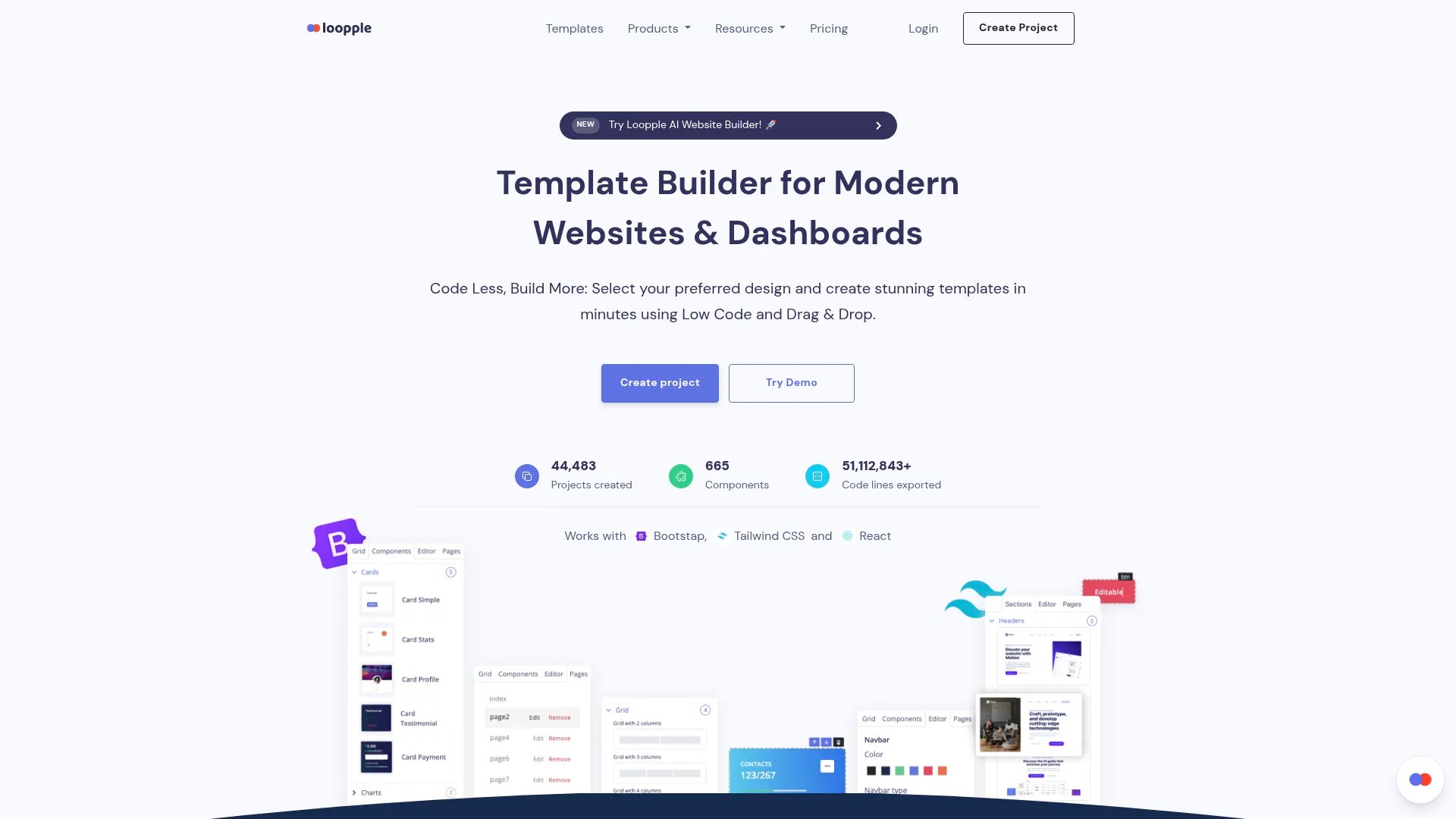
Loopple
Template builder for websites and dashboards using low-code drag & drop interface
HTML
JavaScript
Chakra UI
CSS
Tailwind CSS
Bootstrap
React
Features:
AI
Dashboard
Developer Tools
Landing Page
Page Builder
Templates
UI Components
Explore 3 boilerplates in this collection. Find the perfect starting point for your next project.
Template builder for websites and dashboards using low-code drag & drop interface
Features:
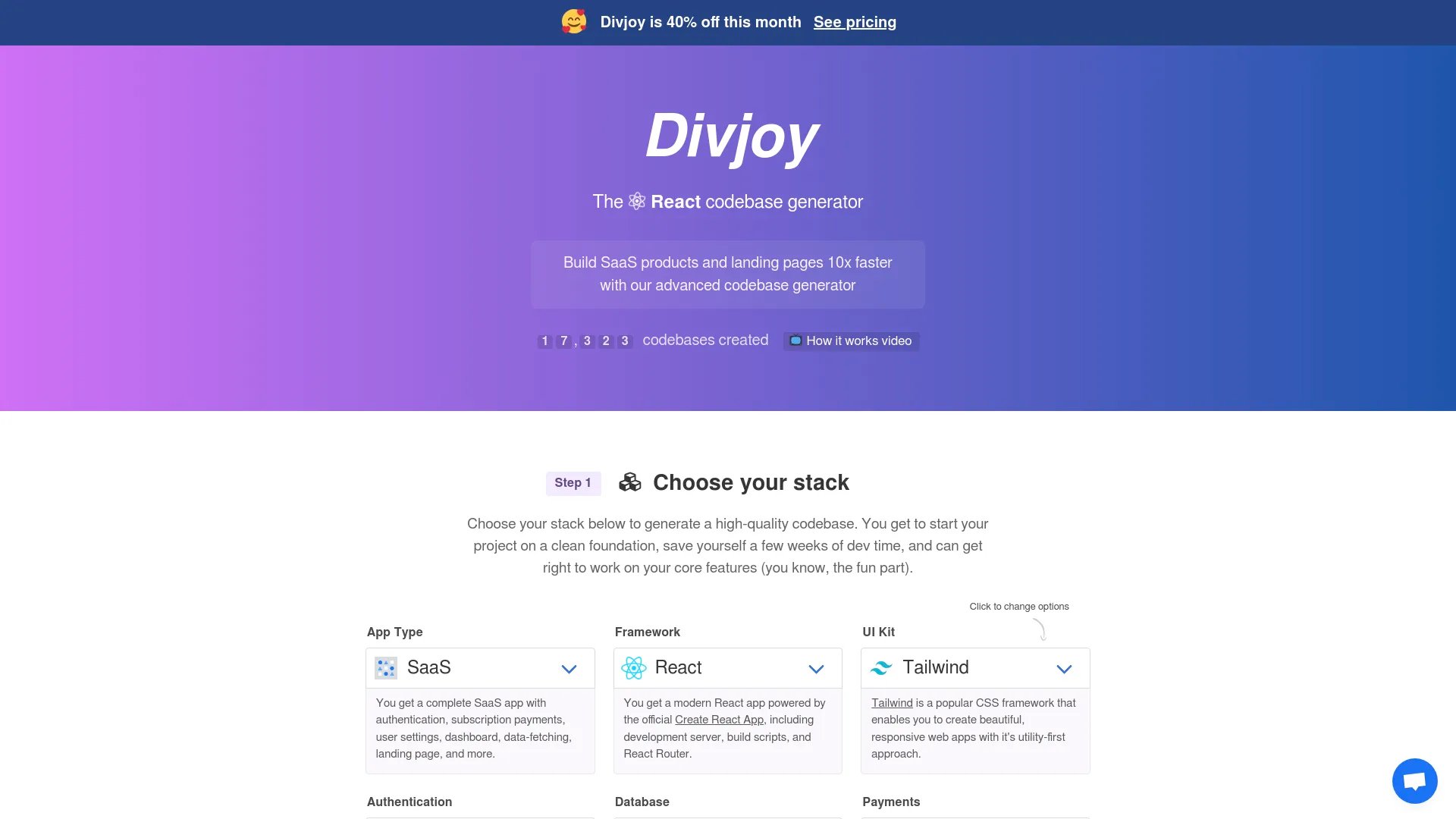
React codebase generator for SaaS products and landing pages
Features:
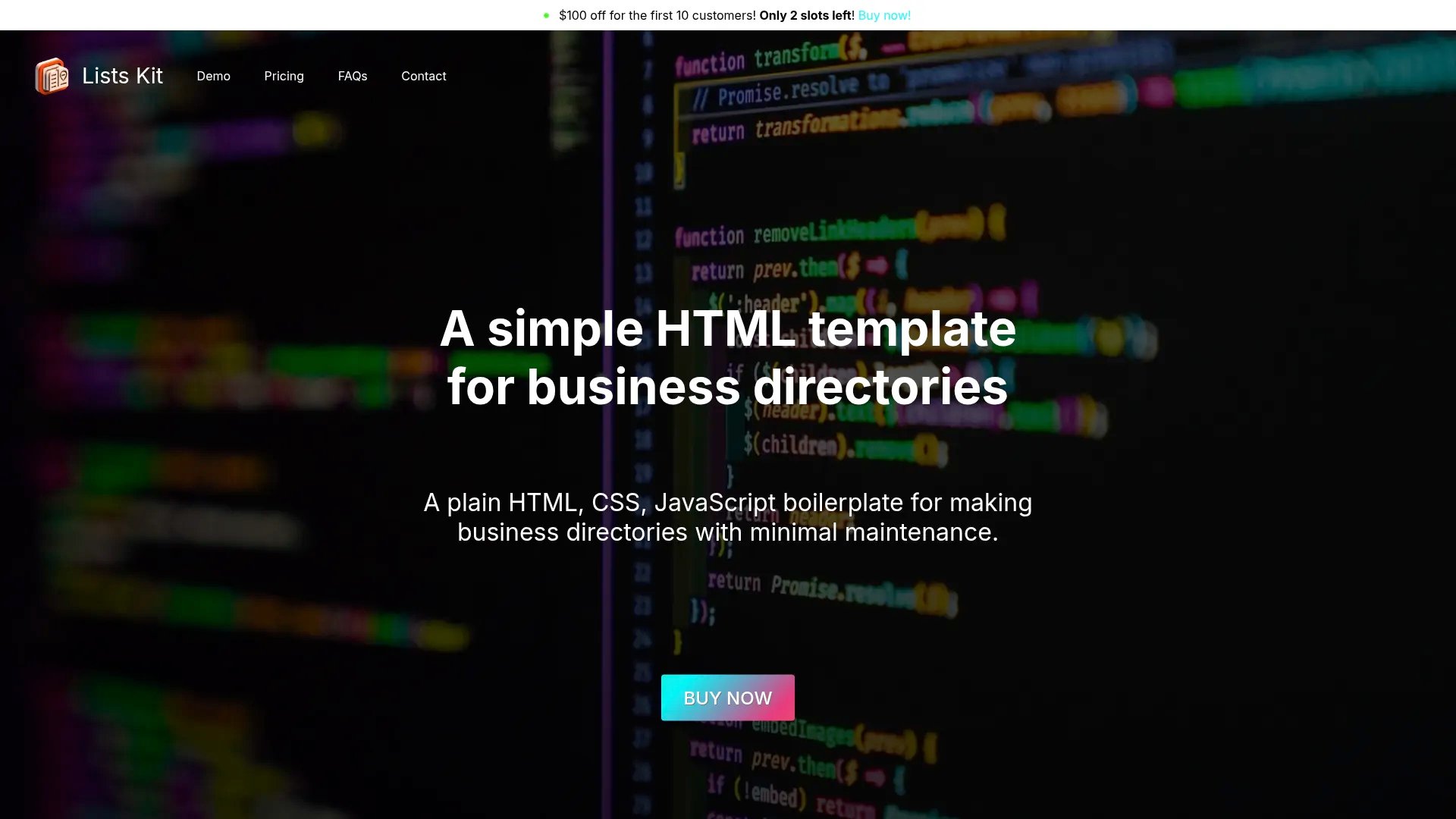
A simple HTML template for business directories
Features:
HTML brings powerful language-level features like strong typing, modern async patterns, and a mature ecosystem to SaaS development. Our HTML boilerplates leverage the language's unique strengths—from its runtime characteristics to its package management—providing optimized starter kits that follow HTML's idioms and best practices.
HTML boilerplates are architected around the language's runtime model and package ecosystem. They implement HTML-specific patterns for concurrent operations, memory management, and error handling. The codebase leverages HTML's type system for compile-time safety, uses native package managers for dependency management, and includes language-optimized build toolchains. This foundation ensures your application follows HTML conventions while maximizing performance.
Browse our collection of 3 HTML boilerplates to find the perfect starting point for your next SaaS project. Each boilerplate has been carefully reviewed to ensure quality, security, and production-readiness.
HTML excels in SaaS development due to its robust ecosystem, strong typing capabilities, and excellent library support. HTML boilerplates leverage language-specific features to provide type-safe database queries, efficient API routing, and optimized runtime performance. The language's maturity means you get battle-tested packages for authentication, payment processing, and background jobs that integrate seamlessly.
HTML boilerplates include the language's most popular and production-proven tools. This typically includes testing frameworks, linters, formatters, build tools, and package managers specific to HTML. You'll get pre-configured toolchains that enforce best practices, automated testing pipelines, and development environments optimized for HTML development workflows.
HTML scales through proven architectural patterns and language-optimized strategies. The boilerplates implement HTML-specific scaling techniques including efficient memory management, concurrent processing, and optimized compilation. You get patterns for horizontal scaling, caching strategies, and database connection pooling tailored to HTML's runtime characteristics.
If you're already familiar with HTML, you can start building immediately. The boilerplates use idiomatic HTML code and follow community conventions, making them easy to understand and extend. New to HTML? Expect 2-4 weeks to become comfortable with the syntax and ecosystem, but the boilerplate's structure and documentation will accelerate your learning significantly.
HTML boilerplates specify exact version requirements to ensure compatibility. Most target the latest stable HTML release with long-term support, ensuring security updates and community support for years. Version upgrade paths are documented, and the codebases use stable APIs that minimize breaking changes during updates.