What React-specific component architecture is used?
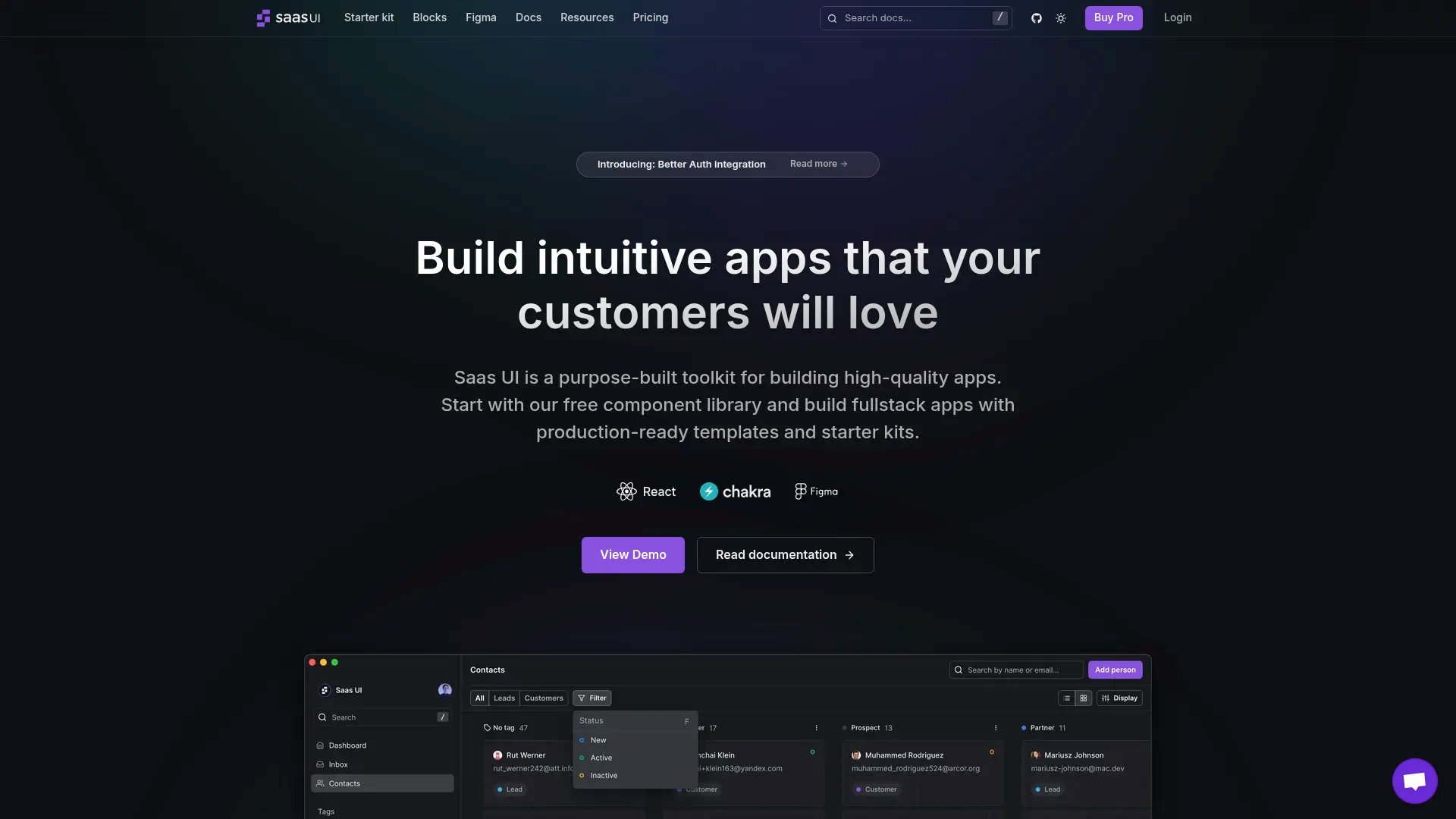
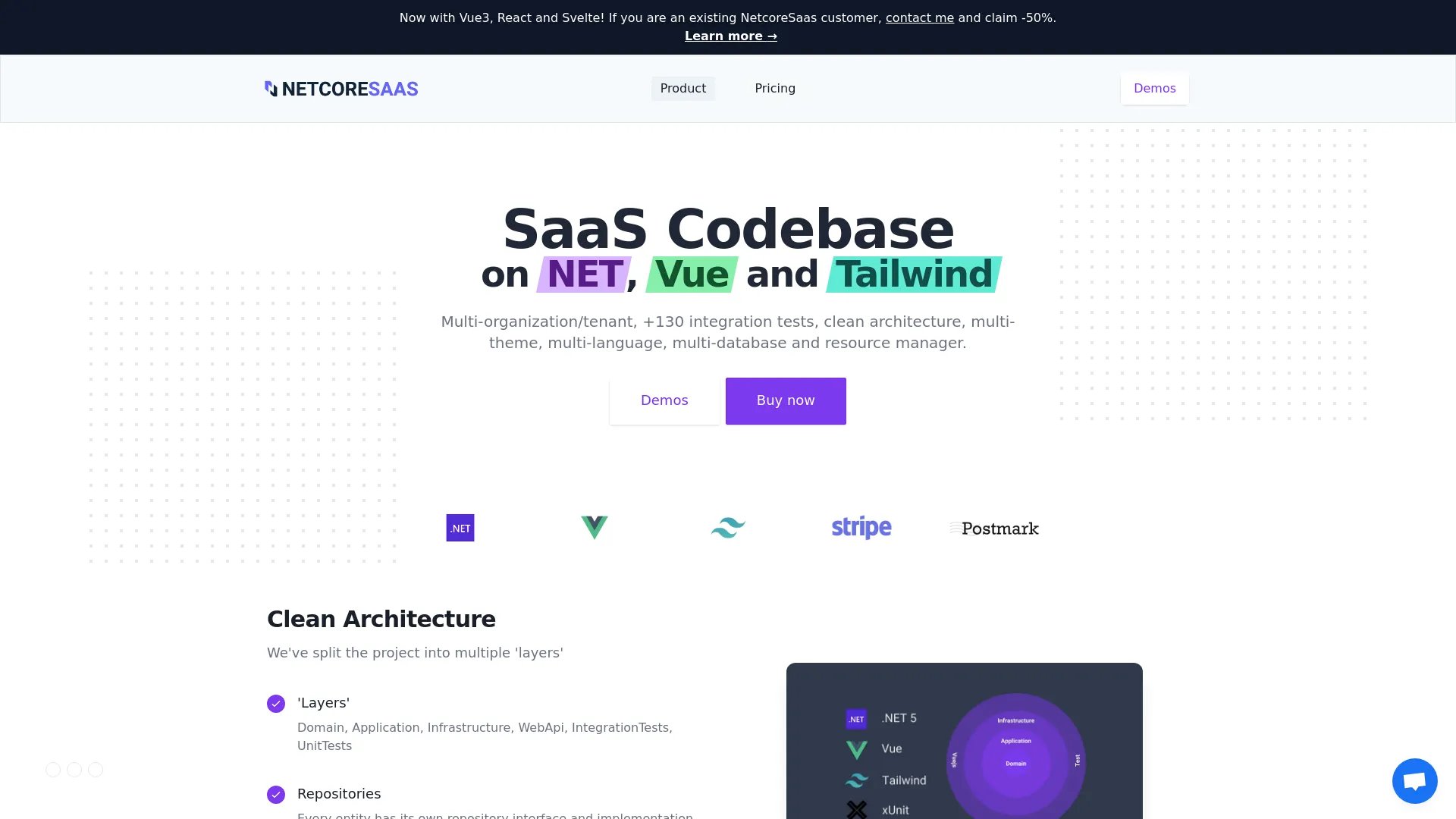
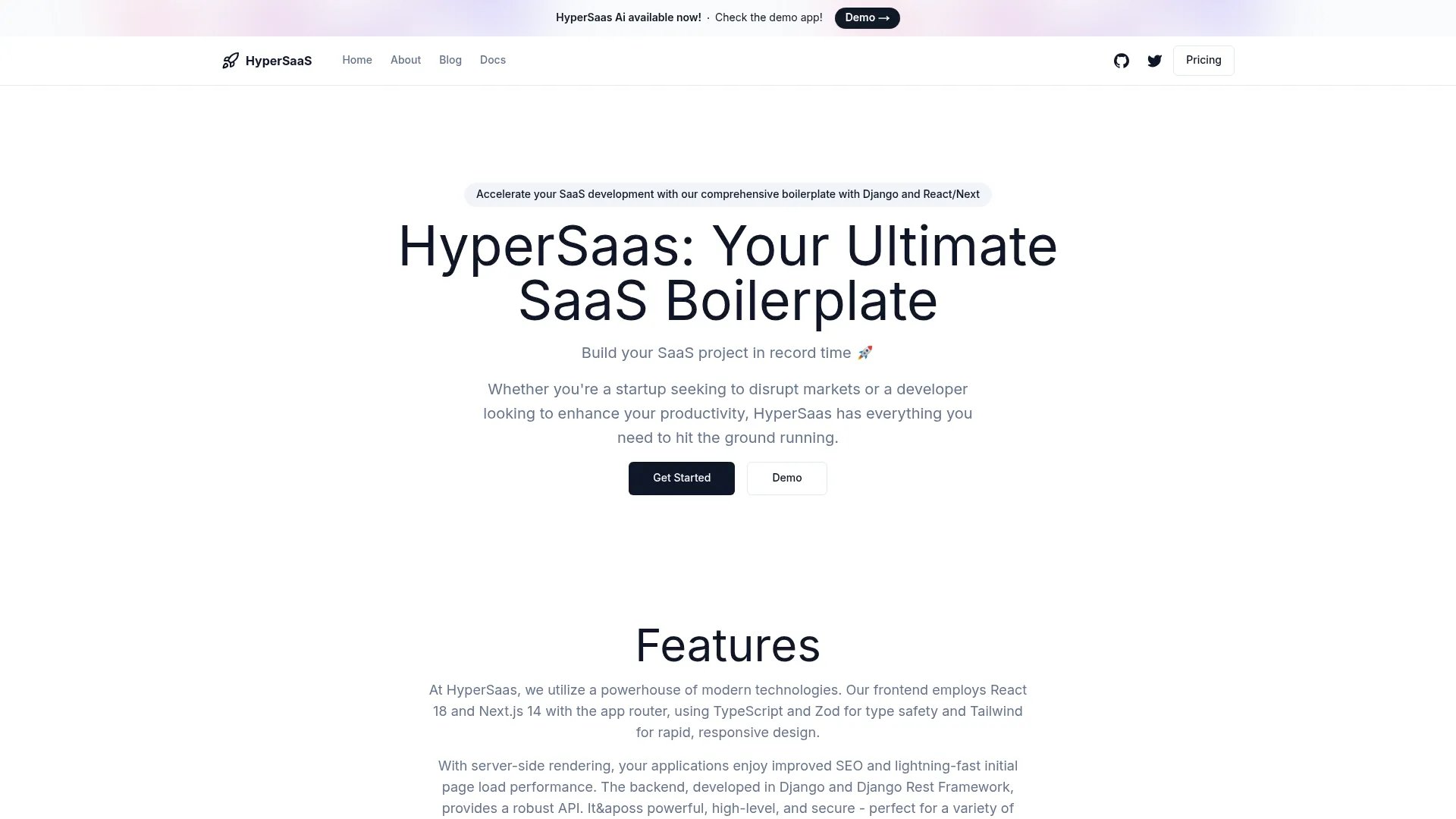
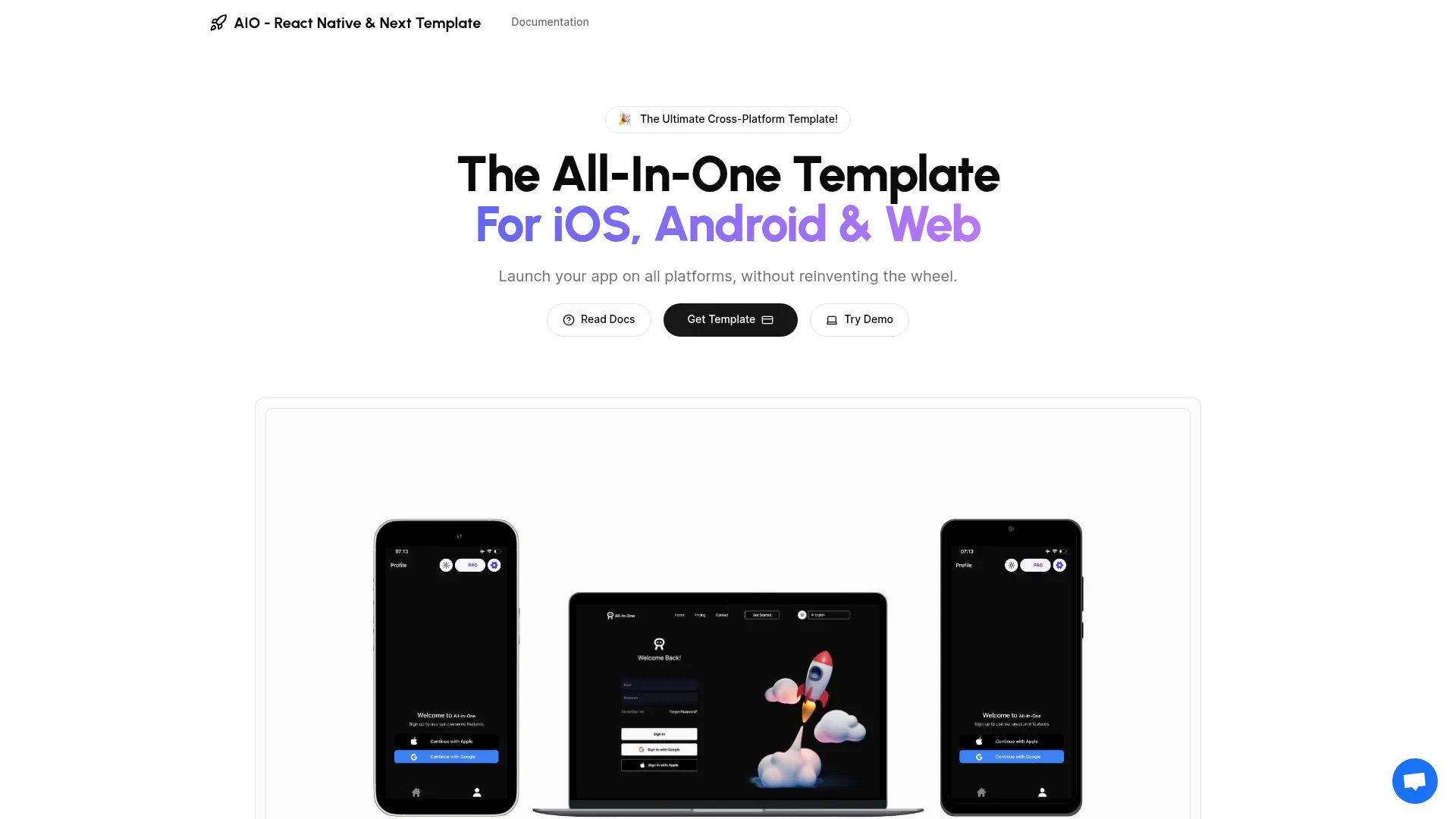
React boilerplates follow the framework's component composition patterns with reusable, atomic design components. They implement React's best practices for component structure, props handling, event management, and lifecycle methods. The component library includes authentication flows, dashboards, data tables, forms with validation, and navigation—all built with React's native features like hooks (React), composition API (Vue), or directives (Angular).
How is state management handled in React boilerplates?
React boilerplates use the framework's recommended state management approach—whether that's React Context + hooks, Redux Toolkit, Zustand, Pinia (Vue), NgRx (Angular), or Svelte stores. They include pre-configured state slices for authentication, user data, subscriptions, and UI state with proper TypeScript typing. The implementation follows React's patterns for global state, local component state, and server state synchronization.
What styling approach do React boilerplates use?
React boilerplates typically use modern CSS-in-JS solutions or utility-first frameworks optimized for the framework. This includes Tailwind CSS, CSS Modules, styled-components, or React's native styling features. The styling system includes a design system with consistent spacing, typography, colors, and breakpoints. All styles are optimized for React's rendering pipeline with proper tree-shaking and production builds.
How does React handle performance optimization?
React boilerplates implement framework-specific performance patterns including code splitting, lazy loading, image optimization, and bundle size reduction. They use React's performance APIs like React.memo, useMemo, Vue's async components, or Angular's OnPush change detection. The build configuration includes tree-shaking, minification, and production optimizations specific to React's toolchain.
What accessibility features are built into React boilerplates?
React boilerplates follow WCAG 2.1 AA standards with proper semantic HTML, ARIA labels, keyboard navigation, and focus management using React's accessibility features. Components include proper roles, labels, and announcements for screen readers. The implementation leverages React's a11y tooling and testing utilities to ensure forms, modals, and interactive elements are fully accessible.