Wave
The fastest way to ship your SaaS product
Features:
Explore 110 boilerplates in this category. Find the perfect starting point for your next project.
1 boilerplate
4 boilerplates
1 boilerplate
1 boilerplate
1 boilerplate
3 boilerplates
2 boilerplates
6 boilerplates
1 boilerplate
4 boilerplates
1 boilerplate
10 boilerplates
4 boilerplates
1 boilerplate
1 boilerplate
1 boilerplate
1 boilerplate
1 boilerplate
1 boilerplate
1 boilerplate
2 boilerplates
2 boilerplates
1 boilerplate
1 boilerplate
2 boilerplates
1 boilerplate
1 boilerplate
2 boilerplates
1 boilerplate
1 boilerplate
1 boilerplate
2 boilerplates
2 boilerplates
1 boilerplate
6 boilerplates
2 boilerplates
1 boilerplate
23 boilerplates
1 boilerplate
34 boilerplates
1 boilerplate
1 boilerplate
1 boilerplate
7 boilerplates
76 boilerplates
1 boilerplate
1 boilerplate
1 boilerplate
3 boilerplates

The fastest way to ship your SaaS product
Features:

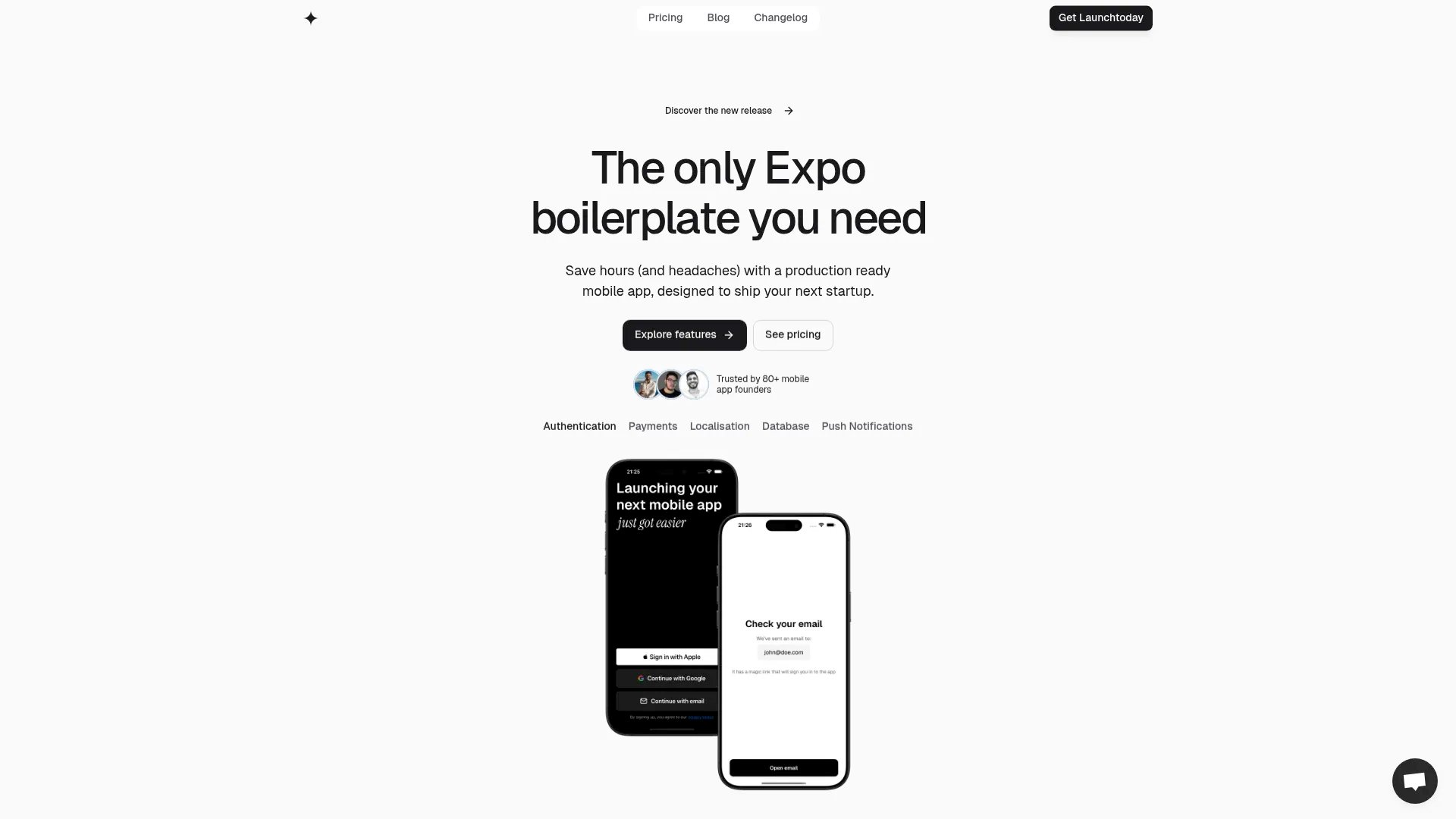
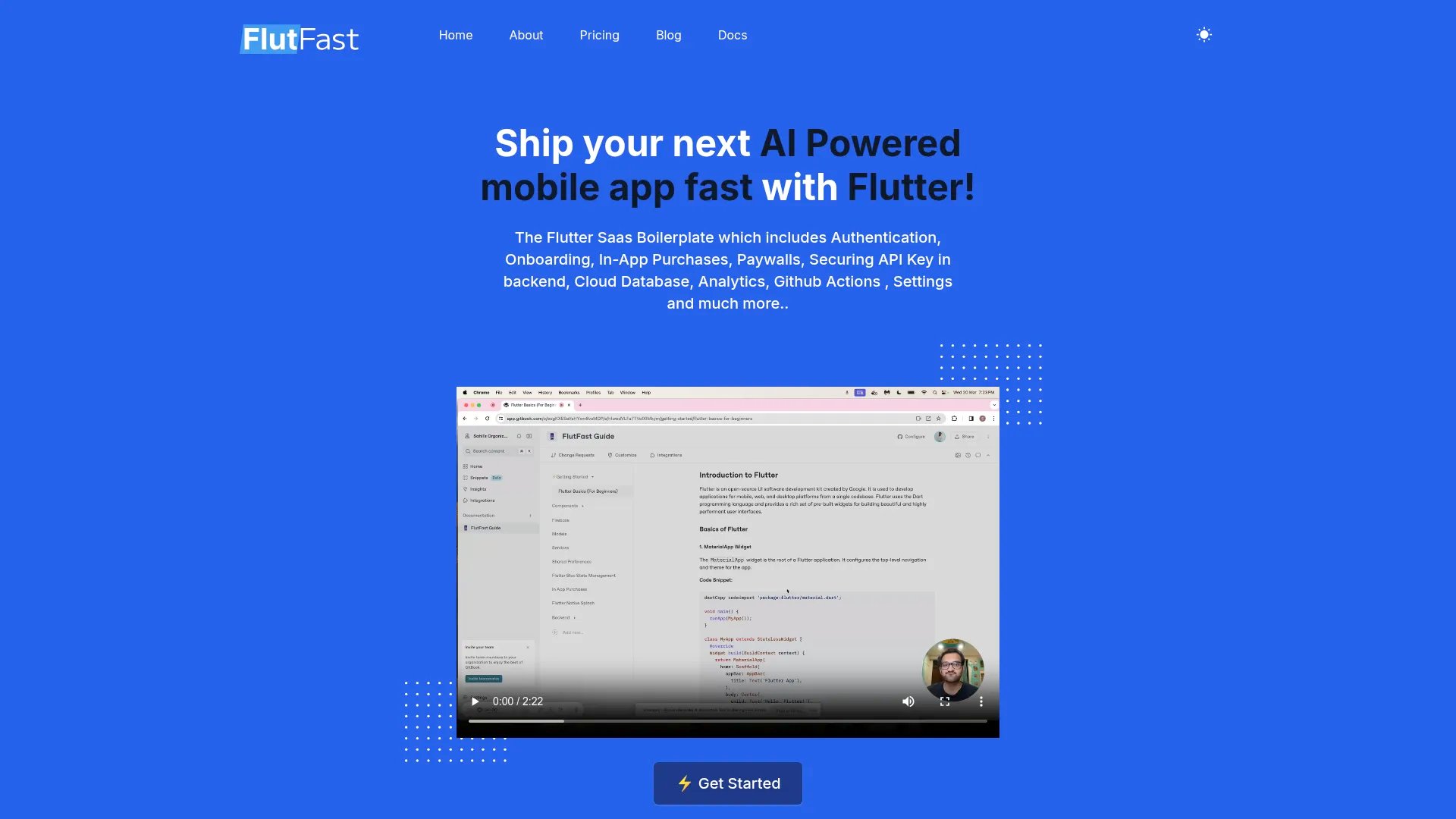
iOS App Generator that handles tedious setup work for developers
Features:

Django boilerplate with all the core components to ship your next SaaS in minutes
Features:

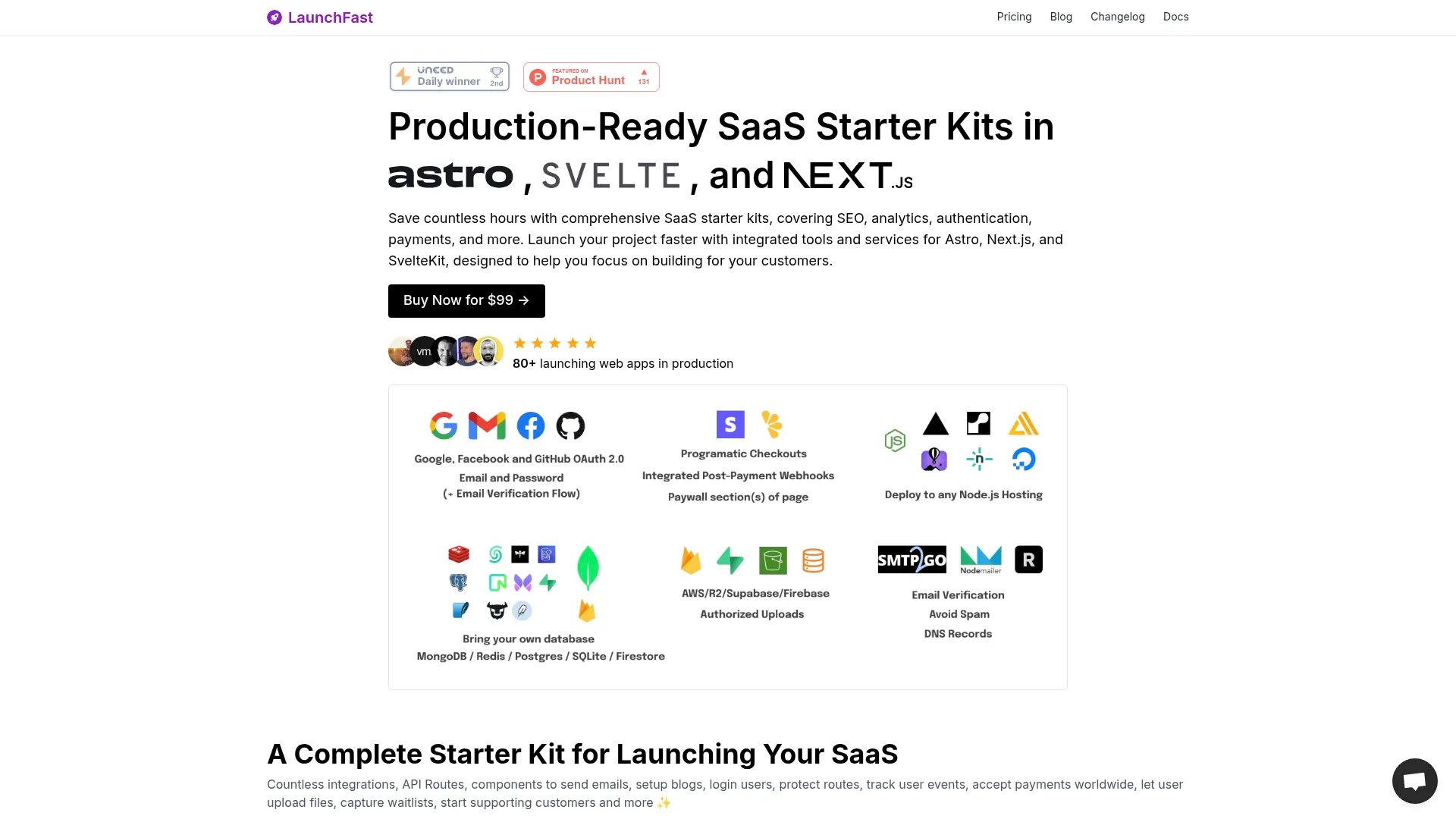
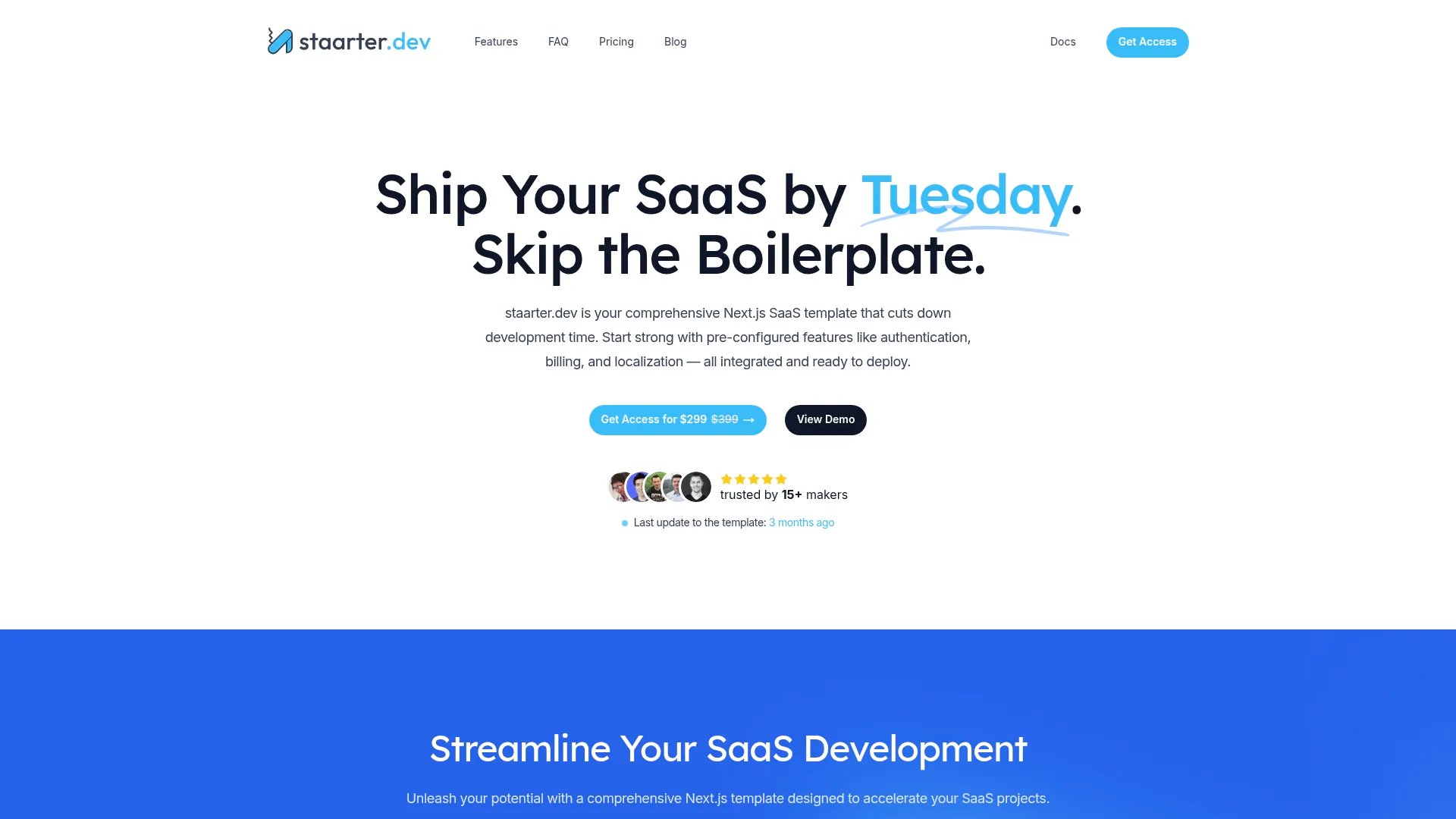
Next.js + Serverless SaaS Starter Kit with Authentication, Payment, Teams, and Dashboards
Features:

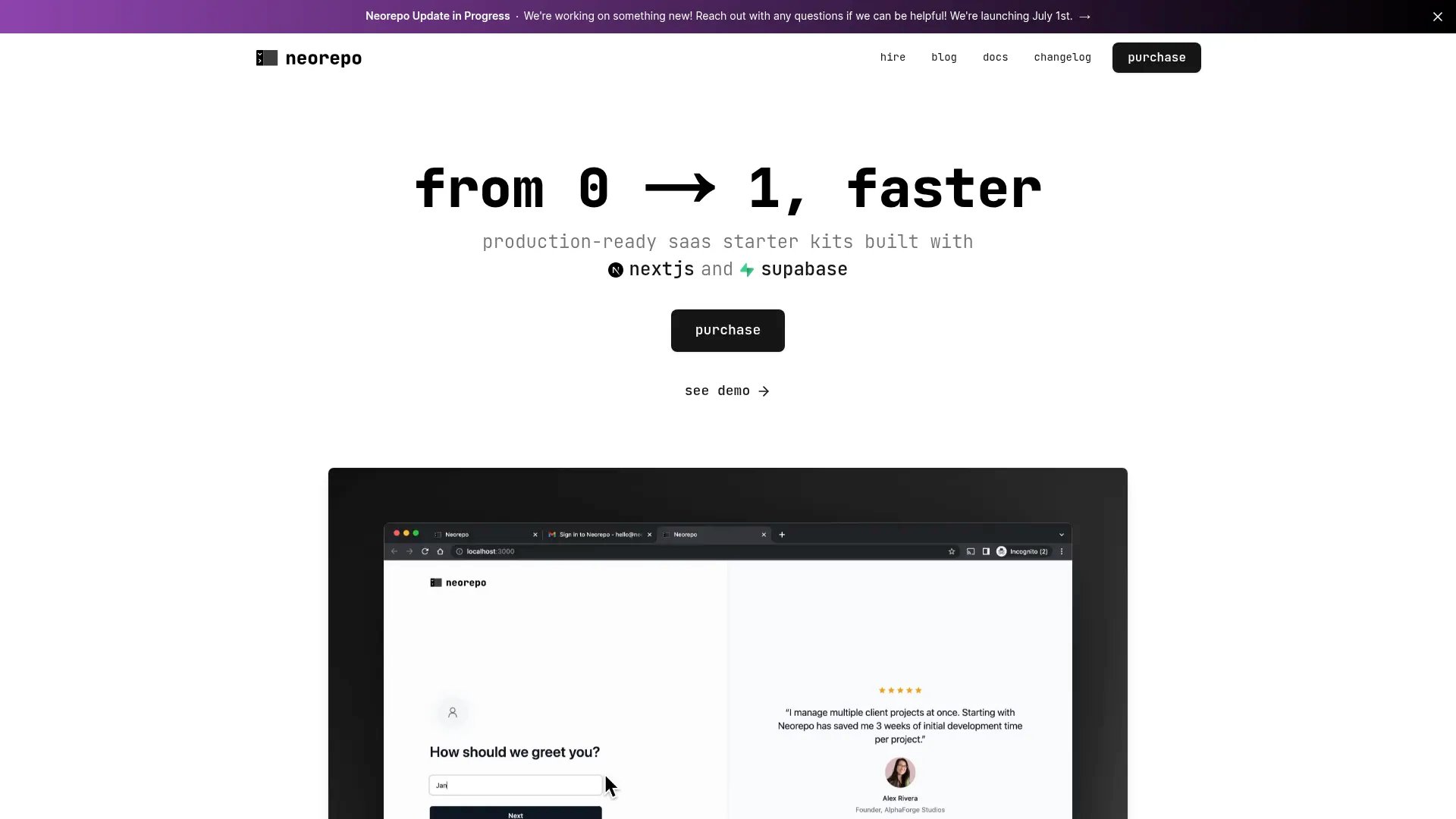
Next.js 14 app router SaaS starter kit built with Supabase
Features:

The lean, high-performance django + react starter kit for building SaaS applications quickly
Features:

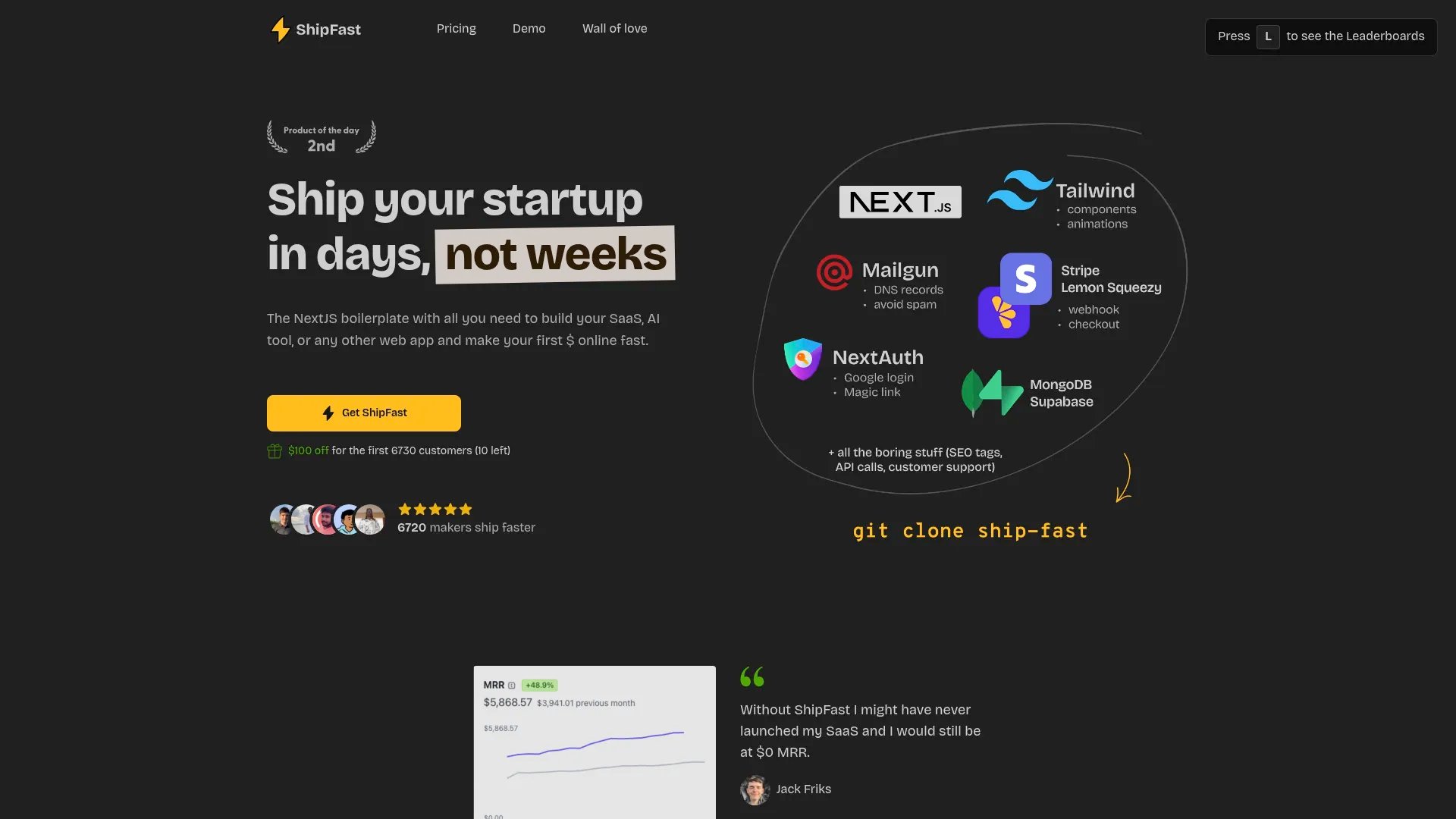
Next.js starter for indie makers to write less code, iterate fast, and earn cash
Features:

A Ruby on Rails starter kit for startup ideas
Features:

Production-ready AWS serverless kit using best practices
Features:
Frontend framework selection shapes your UI architecture, from component composition to state management strategies. Each framework offers distinct approaches to reactivity, rendering optimization, and developer experience. Our collection features frontend-specific boilerplates built around each framework's component model and ecosystem.
Frontend-specific boilerplates provide framework-native component patterns (React hooks, Vue composition API, Angular services), implement framework-optimized state management with proper reactivity, use framework-specific styling approaches (CSS-in-JS, scoped styles), and include framework-tuned build configurations for production. Each boilerplate follows its framework's architectural philosophy for component design.
Browse our collection of 110 frontends boilerplates to find the perfect starting point for your next SaaS project. Each boilerplate has been carefully reviewed to ensure quality, security, and production-readiness.
Frontend boilerplates implement framework-specific component patterns—React hooks and context, Vue 3 composition API, Angular services and dependency injection, Svelte stores. Each uses atomic design principles with organized component hierarchies for maximum reusability and maintainability.
State management varies by framework: React boilerplates use Context API, Redux, or Zustand; Vue uses Pinia or Vuex; Angular implements services with RxJS; Svelte uses stores. Each includes authentication state, user profiles, and app-wide UI state with proper reactivity patterns.
Styling implementations are framework-optimized: Next.js with Tailwind CSS and CSS Modules, React with styled-components or Emotion, Vue with scoped styles, Angular with component styles. Each includes a complete design system with theming support, responsive utilities, and dark mode capabilities.
Performance optimizations are framework-specific: React uses code splitting and memoization, Vue implements async components, Angular uses ahead-of-time compilation, Next.js adds automatic image optimization. All include lazy loading, bundle analysis, and lighthouse-optimized configurations.
All boilerplates implement WCAG 2.1 AA standards with semantic HTML, ARIA attributes, keyboard navigation, and focus management. Each framework's accessibility features are utilized—React with react-aria, Vue with aria directives, Angular with CDK a11y. Components are tested with axe-core and screen readers.